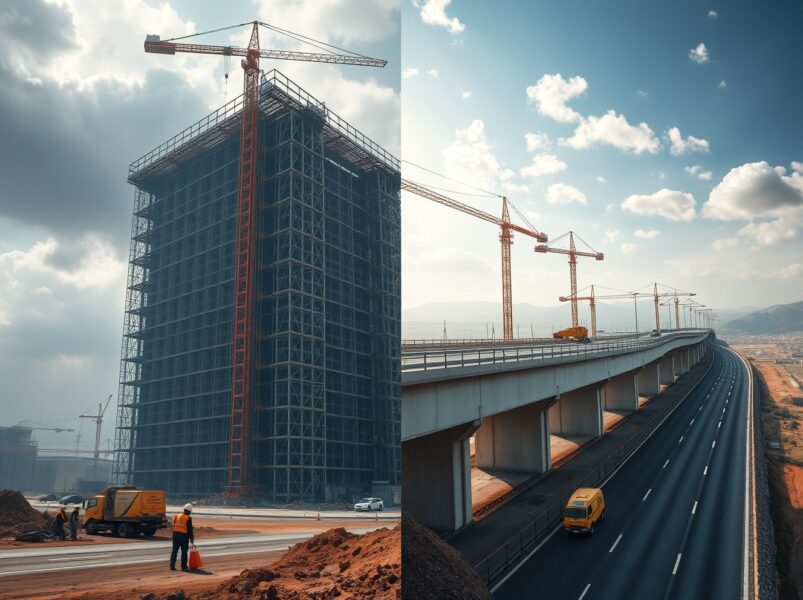
The rapid expansion of artificial intelligence (AI) data centers is creating a significant crisis that threatens to disrupt the modernization of America”s infrastructure. As private investments in AI data centers soar, traditional infrastructure projects are facing fierce competition for critical resources, which could lead to years of delays for essential improvements to roads, bridges, and public utilities.
Recent data from the Census Bureau indicates that private investment in data centers is now exceeding an annualized rate of $41 billion. This staggering figure is comparable to state and local government spending on transportation infrastructure, highlighting the intense competition for the same construction resources, materials, and labor.
The scope of this construction boom is unprecedented, characterized by record debt sales by state and local governments aimed at funding infrastructure projects and projected additional spending of $600 billion in the coming years. Simultaneously, the private sector is ramping up data center construction, creating a convergence of timelines that maximizes resource competition.
As noted by Andrew Anagnost, CEO of Autodesk, there is “absolutely no doubt” that the construction of data centers is draining resources from traditional infrastructure projects. This competition is evident in several critical areas:
- Construction Labor: The high demand for specialized workers is leading to shortages for road and bridge projects.
- Materials: Priority access is being granted to steel and concrete for data centers, resulting in delayed material deliveries for public works.
- Engineering Talent: Competitive salaries in the private sector are luring experts away from public projects, exacerbating the talent drain.
- Project Timelines: The accelerated schedules of private sector projects are pushing public initiatives into extended durations.
The construction industry is grappling with a perfect storm of labor challenges. An aging workforce coupled with restrictive immigration policies has significantly reduced the availability of skilled labor at a time when demand is peaking. This has intensified the competition between public infrastructure projects and private AI data centers.
Key factors affecting the labor market include:
- A rising number of retirements among skilled workers.
- Immigration policies that limit the influx of new construction workers.
- The necessity for specialized skills in both data centers and traditional infrastructure.
- Wage inflation as employers vie for the limited available talent.
The financial landscape is revealing a troubling trend: government infrastructure spending is often matched by private data center investments, leading to direct competition for limited resources. In many instances, private sector entities outbid public projects for essential materials and labor, resulting in increased long-term costs for public infrastructure.
This intense resource competition has forced the construction industry into making critical decisions about project priorities. Anagnost warns that many infrastructure projects will not proceed as quickly as desired, leading to:
- Delays in maintenance and safety improvements for existing infrastructure.
- Increased costs for projects due to competitive bidding.
- Regional disparities in development priorities.
- Long-term economic repercussions stemming from inadequate infrastructure.
In summary, the surge in AI data centers poses both a challenge and an opportunity for the future of public infrastructure in the U.S. Balancing technological advancements with the needs of traditional infrastructure will require strategic planning and policy adjustments to ensure that both sectors can thrive without compromising public safety and economic efficiency.
For more insights into the latest trends in AI infrastructure and its impact on technology, stay tuned to our comprehensive coverage.