




































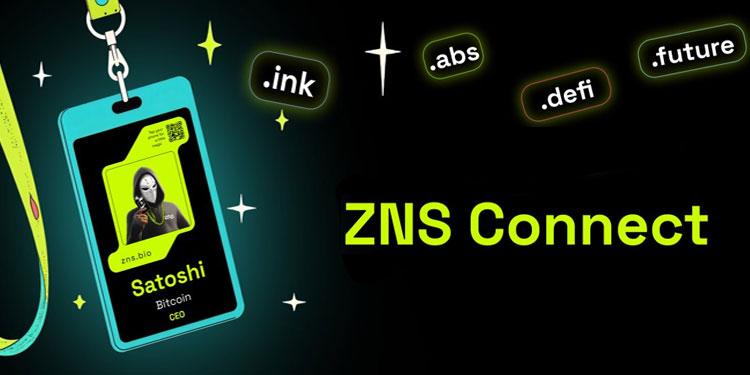
ZNS Connect has launched a novel set of human-readable domain names specifically tailored for Bitcoin, marking a significant transformation in user interactions with Bitcoin Layer-2 infrastructure. The introduction of easily understandable .bob addresses diminishes the need for long, complex wallet strings that users often find challenging to recall, spell, or manually input.
This initiative is seen as a pivotal move towards enhancing usability within the Bitcoin ecosystem, particularly for those who may feel overwhelmed by conventional wallet addresses. By substituting technical intricacies with straightforwardness, ZNS Connect tackles a persistent obstacle to wider cryptocurrency adoption, facilitating the creation of digital identities that are both memorable and easily shareable.
The launch is hosted on BOB, a hybrid Layer-2 solution built atop Bitcoin, which also integrates functionalities akin to Ethereum-style smart contracts. BOB merges Bitcoin”s robust security and liquidity with the adaptability of EVM-compatible technology, thereby fostering an environment where decentralized applications can evolve beyond Bitcoin”s traditional applications. By utilizing BOB, ZNS Connect taps into a scalable and progressive ecosystem while upholding strong security measures.
The choice to integrate with BOB is indicative of a broader trend within the industry aimed at enhancing Bitcoin Layer-2 capabilities. Developer enthusiasm for Bitcoin-centric Layer-2 solutions has surged, motivated by the pursuit of unlocking new functionalities without undermining Bitcoin”s foundational strengths. Through this integration, ZNS Connect empowers users to create human-readable identities within a hybrid Web3 framework, making interactions across decentralized applications more intuitive and accessible.
Further setting itself apart, ZNS Connect offers cross-chain identity features. Unlike many existing naming services confined to a single blockchain, this platform enables users to maintain a consistent digital identity across multiple networks. This strategy addresses the escalating demand for interoperability as the blockchain landscape rapidly expands. ZNS Connect aims to facilitate seamless movement across blockchains, eliminating the necessity to manage various identities.
The platform presents three core advantages intended to enrich both user experience and developer engagement. Users can obtain a .bob domain that acts as a simplified identifier. This domain is applicable across diverse Web3 and decentralized applications, ensuring consistent representation of identity. Additionally, users are free to disseminate their domains throughout the broader decentralized ecosystem, bolstering social, financial, and application-based interactions.
This focus on simplicity aligns with trends observed in Web3 gaming and sports platforms, where streamlined user experiences have proven essential for mainstream uptake. By lowering entry barriers, ZNS Connect positions itself as a foundational layer that supports both everyday users and developers eager to create accessible decentralized applications.
The emergence of ZNS Connect highlights a significant shift toward constructing user-friendly infrastructure on Bitcoin Layer-2 networks. As more projects surface within these layers, tools prioritizing usability are gaining increasing importance. Domain naming services have already shown their worth within the Ethereum ecosystem, where identity layers have become critical components of decentralized interactions. The widespread embrace of Ethereum-based naming conventions illustrates that such models can achieve scale and sustained relevance.
Looking forward, the current phase is anticipated to be crucial in Bitcoin”s evolution into a more versatile platform. Layer-2 solutions are enabling Bitcoin to expand beyond its conventional role as merely a store of value, unlocking additional features and use cases. Within this context, ZNS Connect contributes an identity layer that simplifies engagement with these new capabilities for everyday users. By merging Layer-2 innovation with accessible identity tools, the platform champions a future where Bitcoin-based applications are both robust and user-friendly.