













































Jan van Eck, the CEO of investment firm VanEck, has voiced significant concerns regarding the potential impact of quantum computing on Bitcoin“s encryption and privacy. During an appearance on CNBC, van Eck stated that his company would divest from Bitcoin if its foundational encryption were to be compromised.
VanEck currently oversees over $1.2 billion in Bitcoin investments through its spot exchange-traded fund (ETF), which was launched in early 2024. Van Eck highlighted ongoing discussions within the Bitcoin community about the resilience of current encryption standards against the advent of quantum technology.
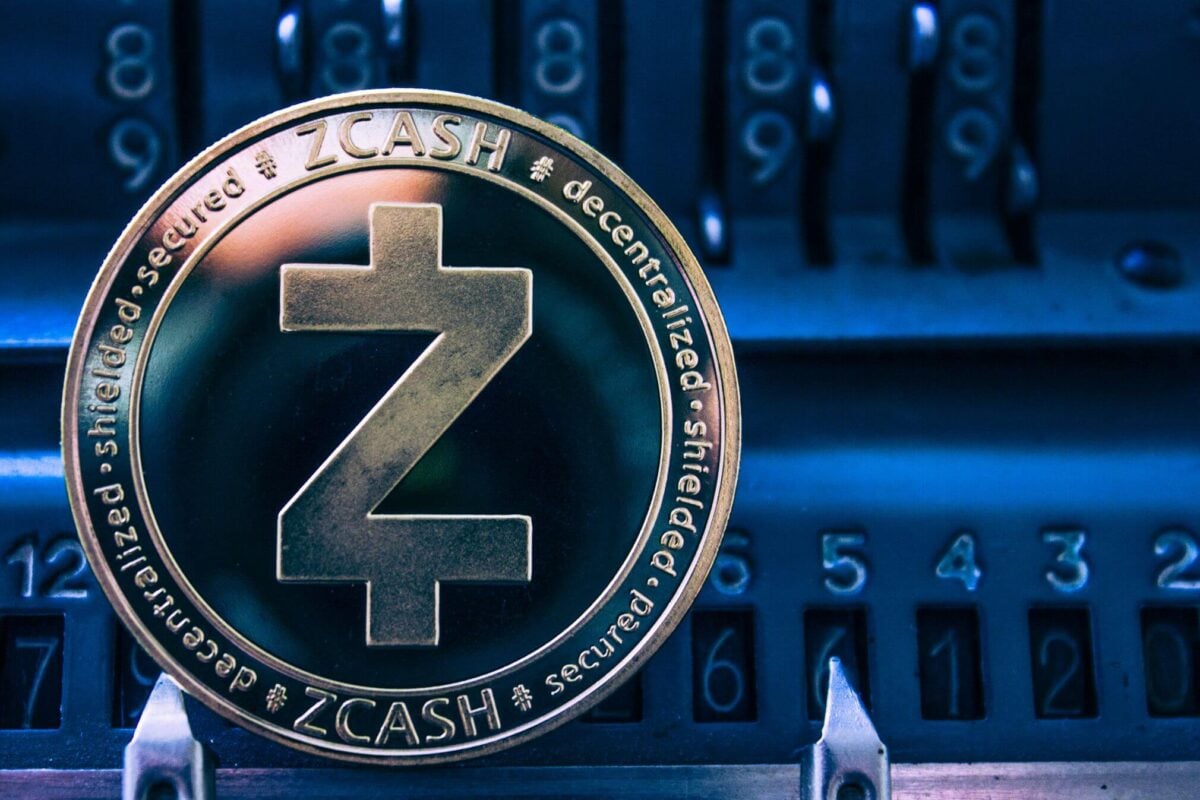
As anxiety around quantum threats escalates, some Bitcoin investors are turning their attention to Zcash, a cryptocurrency known for its focus on transaction anonymity. Over the past three months, Zcash has seen remarkable growth, surging more than 1,300%. This privacy-centric token employs distinct cryptographic techniques compared to Bitcoin, appealing to users who prioritize transaction confidentiality.
Sean Bowe, an engineer at Zcash, elaborated on the dual threats posed to privacy networks by quantum computing. He explained that a quantum computer could both uncover past transactions and enable the creation of counterfeit coins, whereas Bitcoin primarily faces the risk of stolen funds. Concerns have been echoed by Ethereum co-founder Vitalik Buterin, who warned that quantum computers utilizing Shor”s Algorithm could potentially undermine the cryptographic security of Bitcoin and Ethereum as early as 2028.
The urgency surrounding quantum threats has prompted Zcash developers to implement a quantum recoverability strategy. This system would allow the network to pause and upgrade in response to advancements in quantum computing, ensuring user access to their funds post-upgrade. Bowe indicated that most protocol development for quantum recoverability is nearing completion, with final adjustments needed primarily in wallet software.
Despite Zcash not being fully quantum-resistant at present, Bowe expressed confidence in the planned updates, emphasizing that the community can effectively coordinate necessary protocol changes within one to two years. In contrast, the decentralized nature of Bitcoin poses challenges for rapid consensus on such crucial upgrades.
In addition to these technological discussions, van Eck also analyzed market trends, suggesting that Bitcoin may be entering a bear market cycle, predicting price declines similar to historical patterns observed every four years. Following a drop of over 30% from its October all-time high, Bitcoin rebounded from a low of approximately $82,000 to around $88,000 recently. He advised investors to consider dollar-cost averaging in bear markets rather than pursuing quick profits.
Van Eck concluded that despite recent market fluctuations, Bitcoin remains a valuable asset in investment portfolios, supported by global liquidity trends and robust on-chain fundamentals.
























