











































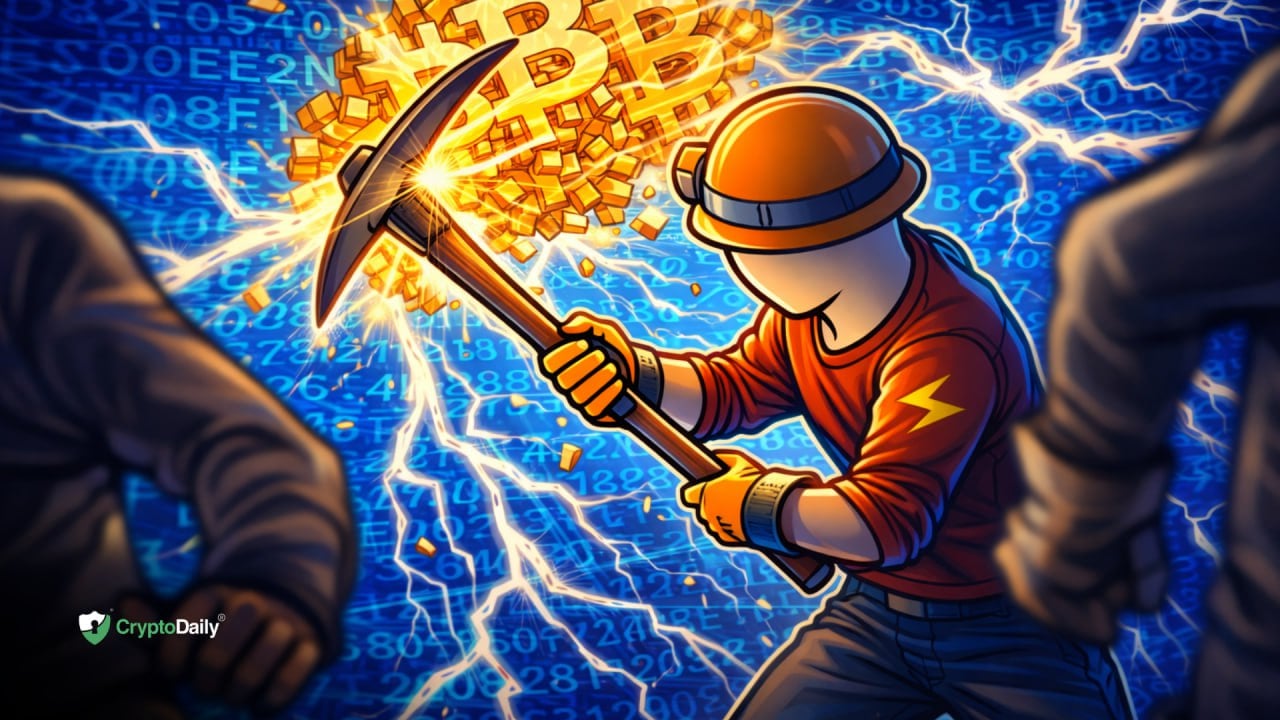
As the cryptocurrency landscape evolves, understanding the mechanics of crypto mining pools becomes essential for miners aiming to optimize their returns. By collaborating in these pools, miners can significantly increase their reward frequency, making it a lucrative option for both seasoned and novice participants.
Mining independently can lead to long wait times for payouts, often resulting in frustration. In contrast, mining pools aggregate the computational power of numerous miners, allowing for faster block discoveries and more stable rewards. This collaborative effort enables participants to experience payouts that can be up to ten times more frequent than those achieved through solo mining.
How Mining Pools Operate
Mining pools function by coordinating contributions from a large number of miners. Each miner”s hardware is directed towards solving cryptographic puzzles, with the successful solutions submitted as shares. The pool then tracks these shares, ensuring fair distribution of rewards based on each miner”s contribution. This method not only increases the likelihood of earning rewards but also smooths out the income stream, making earnings more predictable.
Reward Distribution Models and Fees
There are different reward distribution methods employed by mining pools, such as PPS (Pay Per Share) and PPLNS (Pay Per Last N Shares). The PPS model offers fixed payouts for each valid share submitted, providing a steady income stream, while PPLNS can result in higher returns during fortunate periods, albeit with more variability.
Most mining pools charge fees ranging from 1% to 3% of total mining rewards, which can eat into net profits. It is crucial for miners to consider not only these fees but also electricity costs and other operational expenses when selecting a pool.
Security Considerations
Despite the benefits, mining pools present certain risks, particularly concerning centralization. As of 2025, the top three mining pools control approximately 55% of the total Bitcoin hash rate, raising concerns about the potential for a 51% attack and the implications for network security. Miners should be aware of these risks and consider diversifying their participation across different pools to mitigate potential threats.
Ultimately, choosing the right mining pool involves evaluating factors such as fee structures, reward models, and the pool”s overall transparency. By making informed decisions and continuously monitoring performance, miners can enhance their profitability and adapt to the rapidly changing landscape of crypto mining.