



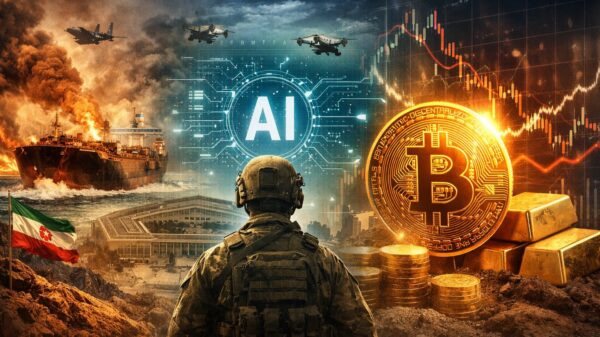
























The ongoing conflict in Iran has led to significant market shifts, particularly in the oil sector and cryptocurrencies like Bitcoin. With the Strait of Hormuz effectively closed, crude oil prices have surged dramatically, reaching heights not witnessed in nearly two years. Reports indicate that U.S. crude prices rose more than $10 in a single day, prompting analysts to predict a potential spike to $120 per barrel if the situation escalates further.
This surge in oil prices is not merely a routine market reaction; it signifies a broader macroeconomic shift. As analysts from Barclays point out, the implications of sustained high oil prices could disrupt central bank policies, leading to increased inflation expectations and a potential reevaluation of previous economic forecasts. The current environment reflects a reality where physical resources and geopolitical tensions are reshaping market dynamics, pushing aside the notion that digital solutions alone can dictate economic stability.
The impact of these developments extends beyond oil markets. The Pentagon”s recent actions against AI firm Anthropic reveal a deeper intersection of technology and national security. By designating Anthropic as a supply-chain risk, the Pentagon has underscored that AI is no longer seen as a neutral player in the market but rather as a critical component of military infrastructure. This shift emphasizes the increasing intertwining of advanced technologies with state interests, challenging previous assumptions about the independence of tech firms.
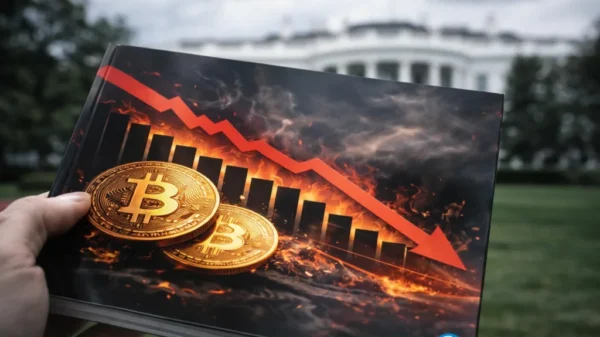
Amidst these tumultuous changes, Bitcoin faces its own challenges regarding its identity as a safe haven asset. Historically marketed as “digital gold,” Bitcoin is expected to perform well during geopolitical crises. However, during this recent conflict, it has not demonstrated the robust safe-haven characteristics many anticipated. While it has shown some resilience, Bitcoin has also exhibited behavior more akin to high-risk assets, complicating its narrative as a reliable store of value.
This duality highlights Bitcoin”s ongoing struggle between its ideological foundations as censorship-resistant money and its perception in trading markets as a speculative asset. As the conflict unfolds and investor sentiment shifts, the essential question remains: can Bitcoin establish itself as a universally trusted alternative monetary asset, or will it continue to be influenced by broader market liquidity and sentiment?
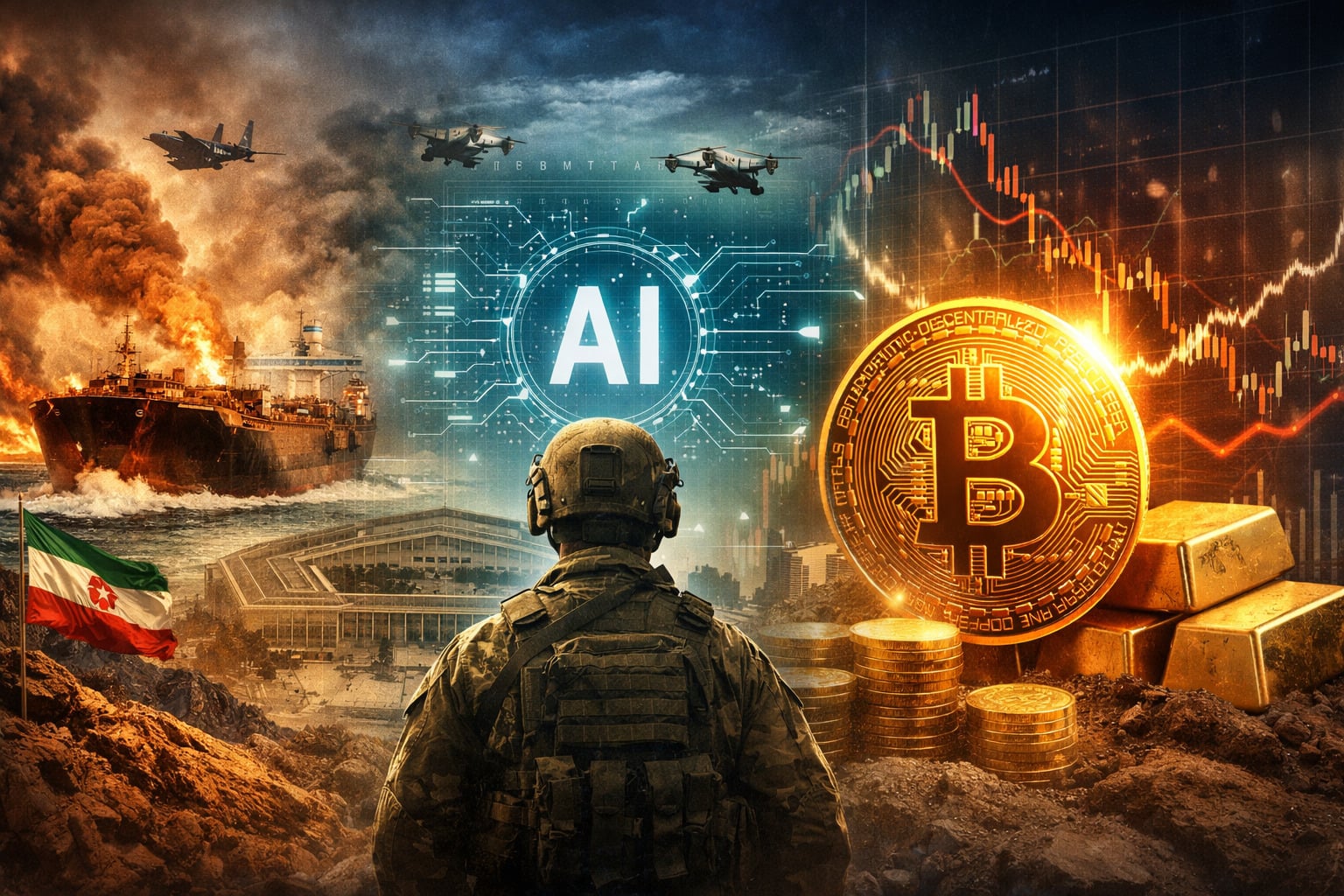
In conclusion, the current crisis underscores a new market order where traditional categorizations of assets are being challenged. Oil, AI, and Bitcoin are now being evaluated through a lens of strategic importance, with implications for how investors approach risk, safety, and value in an increasingly complex geopolitical landscape.