

































A recent military offensive launched by the United States and Israel against Iran has escalated tensions in the Middle East, drawing significant global attention. Following early morning strikes, Israel declared a nationwide emergency, alerting citizens to potential Iranian retaliation.
Israeli Defense Minister Yoav Gallant described the intervention as a “preemptive move,” suggesting the likelihood of Iranian counterattacks utilizing drones and missiles. This military action follows a period of escalating hostility and aggressive rhetoric between the US and Iran, intensifying military engagements in the region.
In response to the offensive, the United States has increased its military assets in Israel, deploying advanced aircraft and other military resources. This strategic shift raises concerns about the potential for a broader conflict in the region. Diplomatic efforts aimed at de-escalation have so far yielded little success, leaving many uncertain about future developments.
Iran”s pivotal role in global oil distribution makes the situation particularly significant for international markets. Analysts are closely monitoring the developments, cautioning that any disruption in oil supply could lead to severe price volatility.
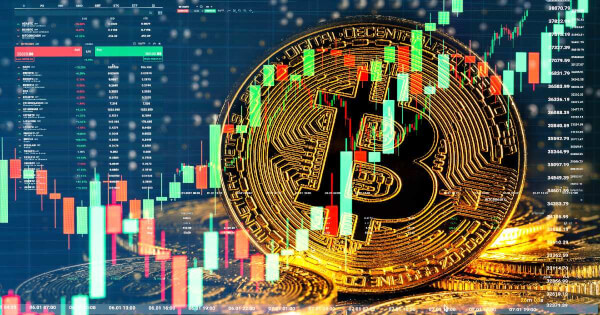
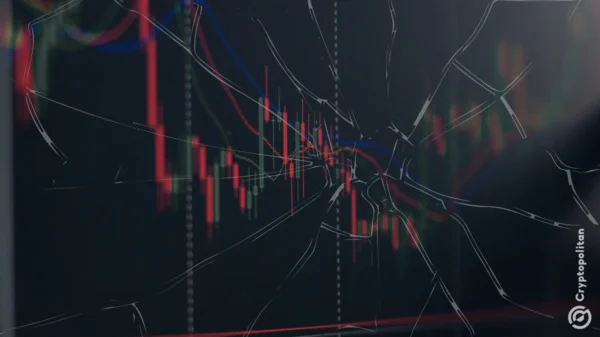
In the wake of these military initiatives, Bitcoin experienced a sharp downturn, falling over 6% within a single day to approximately $63,300. This decline wiped out recent gains and highlighted a waning risk appetite among investors in the cryptocurrency space. The ongoing geopolitical unrest has further contributed to Bitcoin”s sluggish performance, igniting concerns over market stability.
The potential for Iranian retaliation against US or Israeli interests remains a pressing issue, amplifying the uncertainty surrounding cryptocurrency markets. Experts believe that the current geopolitical climate is likely to maintain pressure on digital asset valuations, urging stakeholders in both the financial and energy sectors to remain vigilant as the situation evolves.
This scenario underscores the intricate relationship between geopolitical tensions and global economic stability, emphasizing the importance of continuous monitoring and strategic foresight in the face of such developments.