











































Bitcoin“s position in institutional portfolios has come under renewed scrutiny following a significant decision by Jefferies strategist Christopher Wood. He recently eliminated his 10% allocation to BTC in his Greed & Fear model portfolio, primarily due to rising concerns about the implications of quantum computing on Bitcoin”s cryptographic security.
Wood”s shift comes as advancements in quantum computing are perceived to potentially compromise the cryptographic foundations that secure Bitcoin. This change signals a broader trend among institutional investors, who are increasingly factoring in quantum risk when making asset allocation decisions.
In light of these concerns, Wood has redirected his investment from Bitcoin to a combination of physical gold and gold mining stocks. He emphasized gold”s historical stability amidst both geopolitical and technological uncertainties, positioning it as a safer alternative in the current investment climate.
The growing apprehension about quantum computing is not unfounded. Wood articulated that “cryptographically relevant” quantum machines may arrive sooner than anticipated, potentially enabling malicious actors to derive private keys from public ones. This scenario poses an “existential” risk to Bitcoin as a long-term store of value, particularly for pension funds and institutional investors.
Despite these concerns, key figures within the Bitcoin development community remain optimistic. For instance, Blockstream CEO Adam Back has asserted that the technology to break Bitcoin”s cryptography is likely still two to four decades away, suggesting that the network has sufficient time to transition to quantum-resistant cryptographic methods.
Moreover, some analysts argue that the immediate challenges facing Bitcoin are more related to implementation flaws and governance issues rather than quantum threats. However, investor sentiment appears increasingly cautious, with figures like Nic Carter from Castle Island Ventures noting a heightened sensitivity to unresolved quantum risks.
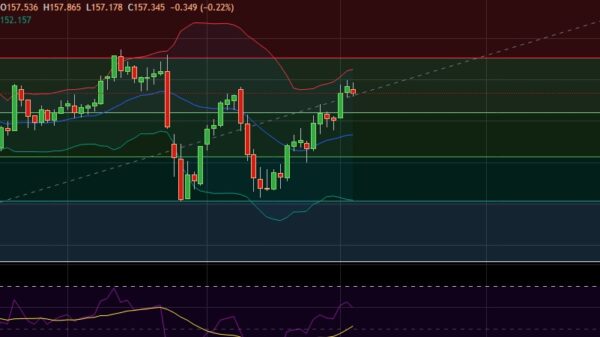
Market activity reflects a resilient structure for Bitcoin, which recently surged past the $92,000 to $94,000 resistance level, climbing toward $98,000 before entering a period of healthy consolidation between $95,000 and $96,000. This price action suggests that while technological debates loom large, there is still bullish momentum in the market.
As the reality of quantum computing advances, investors will need to differentiate between short-term market strength and long-term technological vulnerabilities. While Bitcoin“s current performance remains robust, it is crucial for capital allocators to keep a close watch on cryptographic developments. Those who can adapt and diversify their strategies in response to these structural changes are likely to emerge as the leaders in this evolving landscape.