

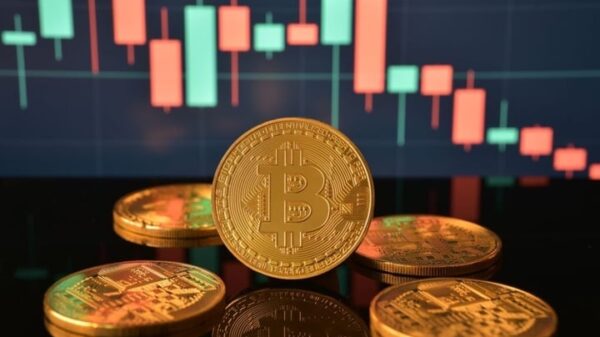

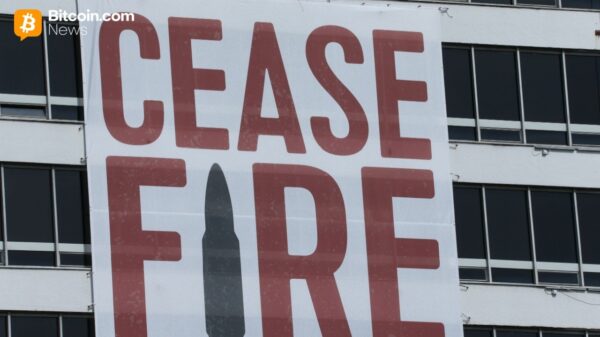














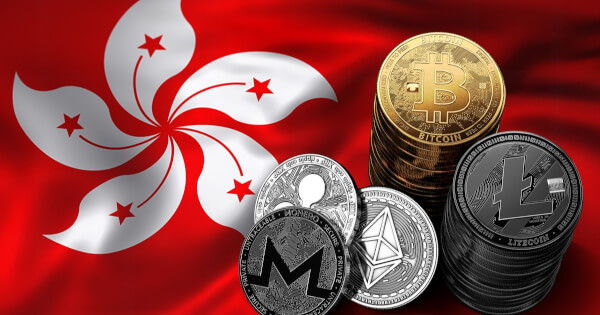











The recent decline of Bitcoin below the $70,000 level underscores the influence of geopolitical events on cryptocurrency markets, overshadowing internal market dynamics. This trend is particularly pronounced as tensions involving Iran have escalated, impacting market sentiment.
The significance of the Strait of Hormuz cannot be understated, as it serves as a crucial maritime route for approximately 20% of the world”s oil supplies. Recent developments have seen oil prices spike to $120 per barrel, although they have since retreated to around $90. However, renewed reports regarding Iran”s mine-laying activities in this vital corridor have sparked fresh concerns about potential disruptions.
Intelligence reports indicate that Iran has initiated mine-laying operations, utilizing small boats and minelayers capable of deploying these mines daily. Despite prior assertions from U.S. officials claiming a neutralized Iranian naval presence, these activities pose serious ramifications for global oil markets and risk assets, including cryptocurrencies like Bitcoin.
Should Iran”s naval activities be confirmed, the market could witness a surge in energy prices, further exacerbating the downward pressure on Bitcoin. Conversely, any signs of de-escalation or denial from Tehran may cultivate a sense of cautious optimism, potentially uplifting risk-driven assets.
Former U.S. President Donald Trump has publicly demanded the immediate removal of mines to avert severe military consequences for Iran. His remarks introduce a layer of uncertainty into the situation, as the intelligence community appears to lack definitive confirmation of the mine-laying claims. This ambiguity has, at least temporarily, alleviated some market pressure, allowing Bitcoin to recover slightly amidst ongoing turmoil.
The intricate relationship between geopolitics and global financial markets is evident, with incidents in the Strait of Hormuz significantly affecting energy valuations and risk assets. As such, investors in digital assets must remain alert to how these geopolitical tensions continue to shape the cryptocurrency landscape.