



































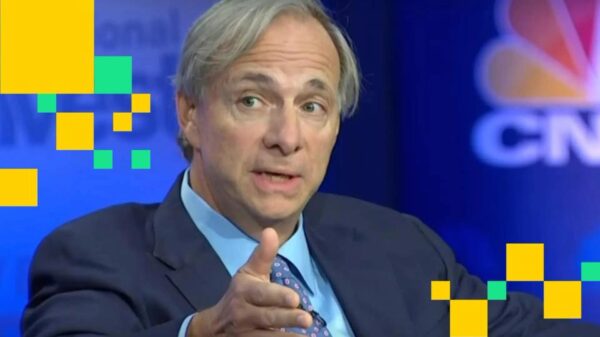










In a recent discussion, Abra CEO Bill Barhydt shared insights on how potential Federal Reserve policies may positively impact Bitcoin in 2026. He emphasized that the central bank”s bond buying and lower interest rates could revitalize market interest in the cryptocurrency, following an extended period of financial tightening.
Barhydt indicated that the Fed is already preparing for a shift towards looser monetary policy. He noted early signs of balance sheet support, referring to the current scenario as “quantitative easing light.” This approach, he believes, will foster a favorable environment for various assets, including Bitcoin.
The prospect of reduced interest rates aligns with a heightened demand for government debt, which Barhydt claims typically benefits all asset classes. He also mentioned that regulatory clarity and growing institutional interest could provide long-term support for Bitcoin beyond just the next market cycle.
However, market expectations remain cautious regarding immediate relief. According to data from the CME Group, traders currently estimate a 14.9% likelihood of an interest rate cut at the January Federal Open Market Committee meeting, a decrease from 23% in November. This suggests that any easing may not happen quickly.
In a related view, Bitwise”s chief investment officer, Matt Hougan, projected that while Bitcoin is set to achieve steady gains over the upcoming decade, it is unlikely to replicate the explosive growth seen in prior cycles. He described the future as a sustained upward trend characterized by lower volatility.
Analyst Linh Tran provided additional context by stating that Bitcoin might have entered a corrective phase after peaking around $126,000 in late 2025, subsequently dropping to approximately $80,000. She highlighted that the current market dynamics are increasingly influenced by macroeconomic factors, institutional investments, and regulatory changes, rather than retail speculation.
As for the first quarter of 2026, Tran noted that the outlook would be heavily dependent on fundamental factors rather than market hype. She pointed out that with U.S. interest rates hovering between 3.5% and 3.75%, a significant rally for Bitcoin is improbable until liquidity conditions improve. This monetary environment could lead to a stable but cautious trading atmosphere for the cryptocurrency.
Despite the presence of over $110 billion in assets within spot Bitcoin ETFs, institutional investment flows appear selective, indicating a more careful approach to increasing exposure rather than aggressive reallocations.
The implications of these insights suggest that while Bitcoin may face challenges in the short term, the potential for a more favorable environment in 2026 should not be overlooked.