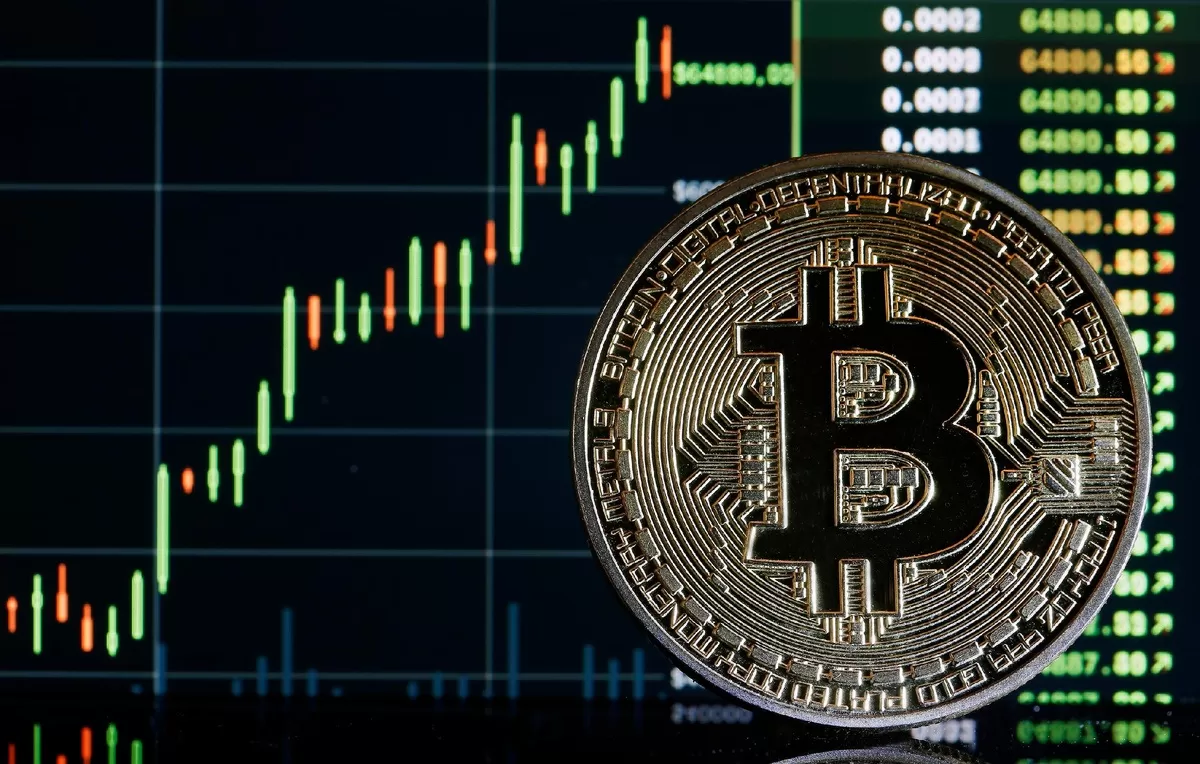
Tansel Kaya, a well-known expert in the cryptocurrency sector and a lecturer at Kadir Has University, recently shared his insights on the future of Bitcoin during an appearance on the Blocker program hosted by Şafak Tükle. Kaya”s predictions focus on the price trajectory of Bitcoin by the end of 2026, as he discussed the potential impacts of upcoming decisions by the Federal Reserve regarding interest rates.
Kaya indicated that a possible reduction of 25 basis points in interest rates would likely benefit the cryptocurrency market, stating, “All risky assets are positively affected by interest rate cuts.” He noted that Bitcoin is currently trading within the $90,000 to $92,000 range. He also highlighted a significant decrease in the supply of Ethereum on exchanges, which he interpreted as a sign of diminished selling pressure.
In addition, Kaya emphasized the importance of the Commodity Futures Trading Commission”s (CFTC) pilot program. This initiative permits the use of cryptocurrencies like Bitcoin, Ethereum, and USDC as collateral in derivatives markets, which he described as “an extremely important milestone.” He believes that this could set a precedent for all tokenized financial assets to be utilized as collateral moving forward.
As he outlined his expectations for 2026, Kaya asserted that the cryptocurrency market is evolving away from the traditional four-year cycle. He pointed out that institutional investors are increasingly entering the space, which is reducing the frequency and intensity of sharp price fluctuations typically associated with panic selling. “The impact of panic selling is now much more limited,” he remarked. Instead of experiencing sudden price surges or drops, he predicts a more gradual bull market.
At the conclusion of the program, Kaya made a striking prediction: he believes that Bitcoin could reach $150,000 by the end of 2026. According to him, institutional investors are strategically accumulating Bitcoin during market declines, contributing to a prolonged bull run that he anticipates will shape trading patterns leading into 2026.
This analysis underscores the changing dynamics within the cryptocurrency market, driven by institutional participation and macroeconomic factors.