

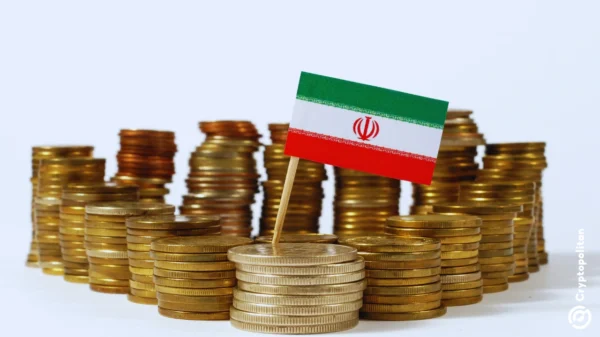





































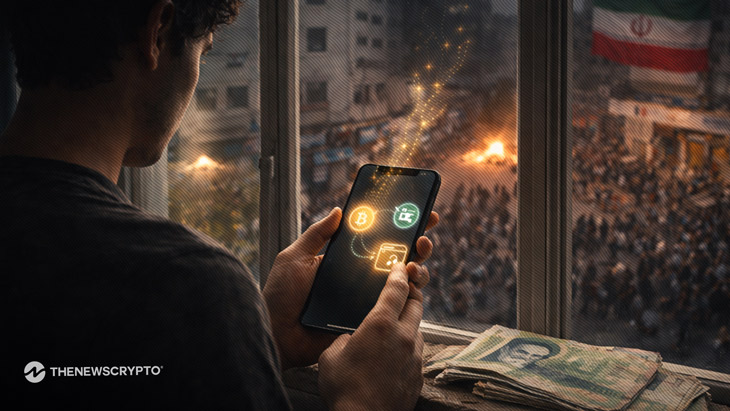
The ongoing economic crisis in Iran has triggered a significant increase in Bitcoin self-custody as citizens seek to protect their assets amid a collapsing currency and heightened internet restrictions.
As the Iranian rial continues to lose value against major currencies, many people are opting to move their Bitcoin holdings from exchanges to personal wallets. This shift occurs in the context of nationwide protests and a government-imposed internet blackout, which has made access to traditional financial systems increasingly difficult.
On-chain data from Chainalysis indicates that the volume of Bitcoin withdrawals surged immediately following the start of these internet restrictions. This behavior underscores a growing distrust in centralized exchanges and the government, prompting individuals to take direct control of their digital assets. For many Iranians, Bitcoin is viewed as a safer alternative for storing value amidst rampant inflation, allowing for private storage and future accessibility outside the conventional banking framework.
During this tumultuous period, Bitcoin has emerged as a critical financial resource for Iranians, who are increasingly reliant on digital currencies as a means of economic survival. Reports suggest that the Islamic Revolutionary Guard Corps (IRGC), which plays a significant role in Iran”s financial landscape, is also heavily involved in cryptocurrency activities, controlling around half of the nation”s crypto transactions.
Moreover, Iran”s crypto ecosystem is projected to reach $7.78 billion by 2025, with ties to substantial transactions involving IRGC wallets, including a recent $1 billion deal linked to two exchanges in the UK. This scenario illustrates the dual role of cryptocurrency in Iran, serving both the populace seeking financial refuge and the government looking to leverage digital assets for its own purposes.
As trust in the local currency continues to deteriorate, the reliance on Bitcoin as a financial lifeline is likely to persist, reinforcing its position as a viable alternative in times of crisis.