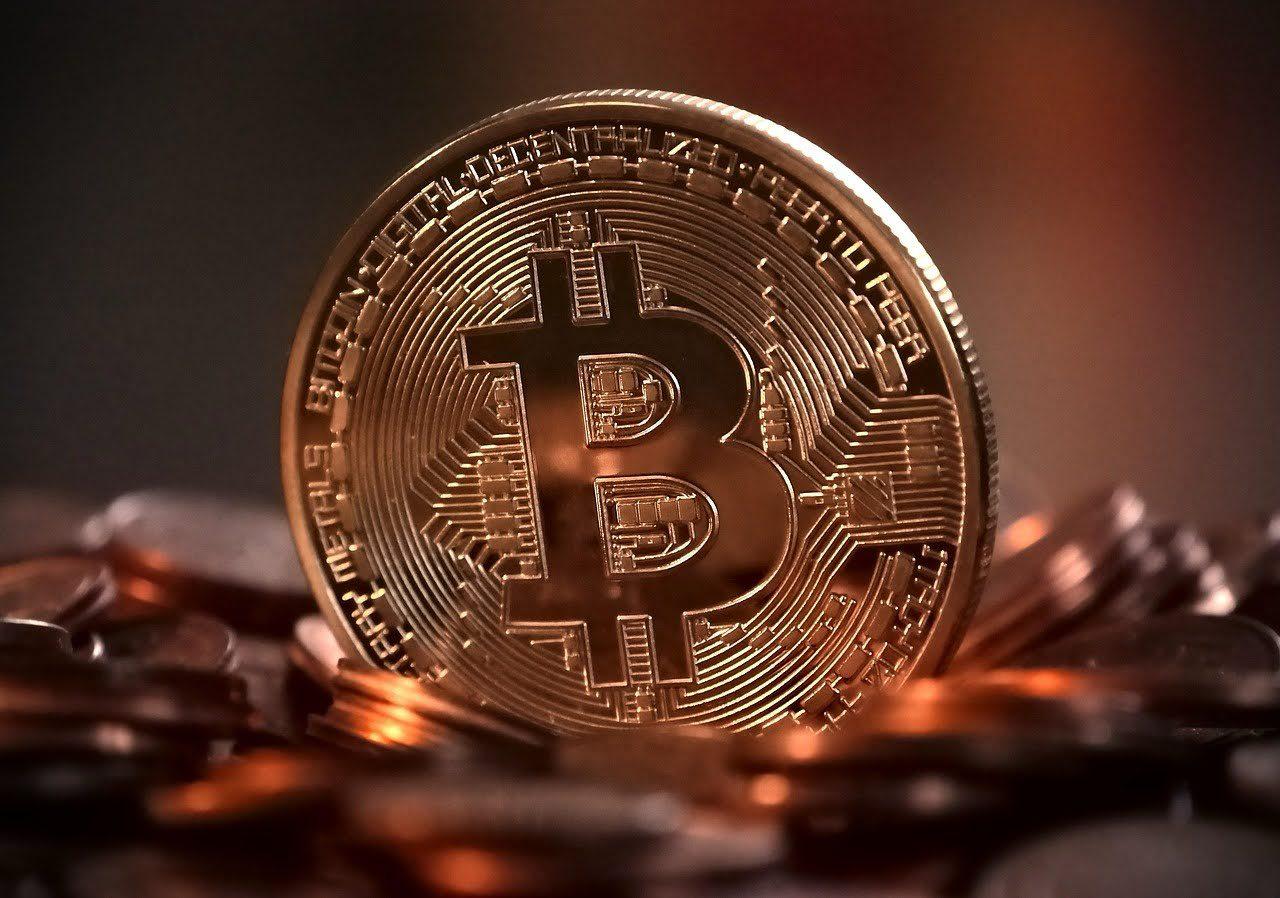
The cryptocurrency market has taken a significant hit, losing $1 trillion in value as Bitcoin plummeted to its lowest point in seven months. The recent downturn has left investors unsettled, particularly those who had anticipated a stabilization of prices after a period of volatile trading.
This week, Bitcoin fell to $88,522, a drop that has strained retail investors and treasury-focused firms alike. Many traders who entered the market earlier this autumn are feeling the pressure as the overall sentiment continues to deteriorate. A brief recovery was noted during Thursday”s trading session in Asia, spurred by optimistic guidance from Nvidia, but the mood across the market remains largely subdued.
The roots of this decline can be traced back to a wave of forced liquidations that occurred in early October, which wiped out over $19 billion in leveraged positions in a single day. This sudden shift in the market exposed the fragility of certain price levels and shattered the confidence that many traders had developed during the early rally of the year, which had been fueled by expectations of a more accommodating monetary policy and greater institutional involvement.
With momentum buyers absent and macroeconomic uncertainties hanging over the market, the peak of nearly $126,000 that Bitcoin reached earlier this year seems increasingly distant. In the midst of such turbulence, some investors are turning their attention to opportunities outside of the major cryptocurrencies, exploring new token launches and innovative projects associated with Crypto ICO 2025.
These curated watch lists highlight ongoing developments in tools such as advanced wallets and multifaceted trading platforms, reflecting a proactive approach among investors who are willing to navigate the risks in search of potential gains. While the price-driven market may appear bleak, beneath the surface, activity continues as long-term participants adjust their strategies instead of withdrawing entirely.
Traders are closely monitoring key support levels, particularly around $85,000 and $80,000, with the significant low of $74,425 from April”s market turmoil serving as a deeper reference point. The total market capitalization of cryptocurrencies has sharply decreased from approximately $4.3 trillion to around $3.2 trillion, largely reflecting unrealized losses. Despite this, many traders are looking to on-chain activity to guide their positioning in the current climate.
Earlier in the year, a confident narrative had emerged, driven by anticipated rate cuts and an uptick in corporate interest. However, as these expectations have diminished, treasury firms that increased their exposure during the market”s rise are now reassessing their portfolios. Larger investors appear to be adopting a more cautious approach, opting for careful evaluation rather than rushing to increase their positions.
The ripple effects of Bitcoin“s decline have also impacted Ether, which has dropped below $3,000 after reaching nearly $5,000 in August. This loss of momentum for Ether has similarly affected many altcoins, which often depend on strength from Ethereum to attract trading volume. While developers continue to work through their project roadmaps, the urgency among price-driven traders has waned.
Market analysts suggest that the current downturn aligns with historical crypto cycles that often compress leverage and reset expectations. Although the rapid decline can be alarming, some long-term investors view it as part of the necessary recalibration process that precedes more stable conditions. A few hedge funds are beginning to identify potential signs of emerging support, albeit with caution.
To alleviate the prevailing uncertainty, a clearer picture of interest rates would be beneficial. Traders are eager to determine whether the recent wave of liquidations was an isolated event or indicative of deeper vulnerabilities within leveraged markets. An influx of capital from long-term investors could help stabilize daily fluctuations, particularly if it comes from entities that avoid rapid shifts in their positioning.
In light of the recent volatility, retail investors are reevaluating their approaches. Many are opting to avoid leverage altogether, while others are diversifying their portfolios by allocating funds to more stable assets. A growing number of investors are adopting a strategy of building positions in smaller increments rather than attempting to pinpoint the lowest prices. This shift reflects a desire for greater consistency in an environment characterized by abrupt market movements.
Ultimately, Bitcoin“s recent decline underscores the fragile atmosphere surrounding current trading. While the $1 trillion loss in the crypto market is substantial, it does not negate the ongoing developmental work occurring throughout the industry. As investors seek a more stable footing, they continue to explore opportunities that still demonstrate resilience amid the downturn. Whether prices stabilize at current levels or experience further declines, this period is likely to shape market dynamics as the industry heads into the next year.