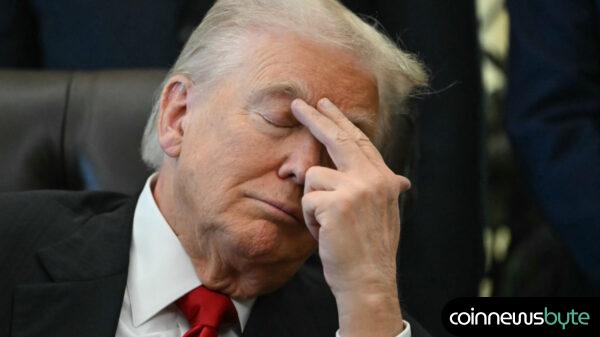
In a striking forecast, Bloomberg Intelligence strategist Mike McGlone has indicated that Bitcoin could face a dramatic decline to $10,000, representing a potential drop of 85%. McGlone asserts that the current crypto market is witnessing an implosion of its speculative bubble, a shift away from the once-popular buy-the-dip mentality.
McGlone”s analysis highlights several factors contributing to this pessimistic outlook. He points to diminishing confidence in political figures, specifically President Donald Trump”s previous endorsement of cryptocurrency. Additionally, he notes that traders in gold and silver are liquidating positions at a pace not seen in decades. This trend is further exacerbated by substantial outflows from Bitcoin exchange-traded funds (ETFs), totaling $678 million in February alone, which builds on a staggering $6 billion selloff since November.
Currently, Bitcoin is trading at approximately $68,717, having already decreased nearly 30% in the past month. This backdrop suggests a broader market correction rather than a typical ebb and flow, as McGlone emphasizes that the crypto sector is now engaging in a more stringent price discovery phase.
Despite McGlone”s bearish stance, advocates for Bitcoin maintain that regulatory measures and institutional support could provide a stabilizing effect. Notably, the proposed Clarity Act, aimed at providing clearer regulations for cryptocurrencies, could bolster market confidence. Institutions like BlackRock and Goldman Sachs have also been increasing their exposure to Bitcoin and other cryptocurrencies, which could counterbalance the bearish sentiment.
The correlation between Bitcoin and technology stocks further complicates the narrative. McGlone suggests that fears surrounding artificial intelligence are translating into increased volatility in both tech equities and cryptocurrencies. As tech shares have faced significant pressure, the implications for Bitcoin could be profound.
In summary, while McGlone”s warnings of a potential plunge to $10,000 raise alarm bells, the ongoing developments in regulation and institutional investments could play a pivotal role in shaping the future of Bitcoin and the broader cryptocurrency market.