











































The recent decline in Bitcoin“s price, which has dropped over 40% from its recent highs, has ignited a crucial conversation about its future in the digital asset realm. As the cryptocurrency faces an identity crisis, the implications of this price drop extend beyond mere numbers, prompting a reevaluation of its established narrative.
Traditionally regarded as “digital gold,” Bitcoin was lauded for its capped supply and its perceived ability to serve as a guard against inflation and fiat devaluation. However, the recent surge in gold prices and the influx of capital into other cryptocurrencies have begun to challenge this narrative, causing many to question Bitcoin”s role as a premier store of value.
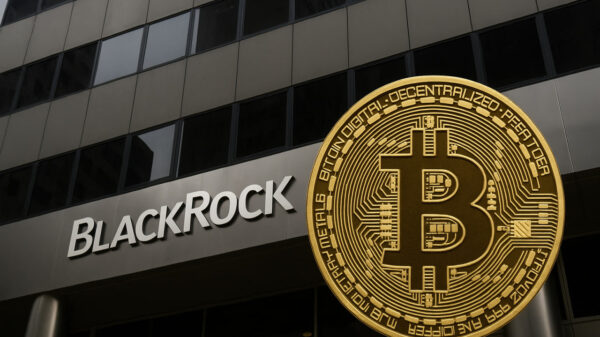
In tandem with the price decline, there has been a concerning trend in exchange-traded funds (ETFs), specifically U.S.-listed spot Bitcoin ETFs. Notably, the iShares Bitcoin Trust has experienced significant outflows, indicating a retreat from institutional investors who were once expected to drive demand for these products. This shift underscores a growing caution among major players in the market.
While these outflows may reflect diminished short-term confidence, some market analysts maintain that the long-term potential of Bitcoin remains intact. The landscape is evolving, as stablecoins have begun to dominate payment systems, drawing investments away from Bitcoin and highlighting its limitations as a yield-generating asset.
Despite the volatility that Bitcoin has faced in the past—such as the notable downturns in 2018 and 2022—there is optimism that the market can rebound. Current turbulence may be more reflective of broader macroeconomic changes rather than a sign of an enduring decline.
However, the pressing question now is whether Bitcoin can maintain its significance in an increasingly sophisticated financial ecosystem, or if it will be relegated to a niche position amidst a multitude of advanced financial instruments. The rapid rise of alternative investment options is reshaping the narratives that have long surrounded the cryptocurrency sector.
Notwithstanding these challenges, Bitcoin retains its status as the most liquid and widely recognized digital asset. Its established infrastructure and robust market presence provide it with a unique footing within the industry. Moving forward, critical discussions will center around the types of investors who continue to engage with Bitcoin and how the cryptocurrency will redefine its identity amidst a rapidly evolving digital asset landscape.