



























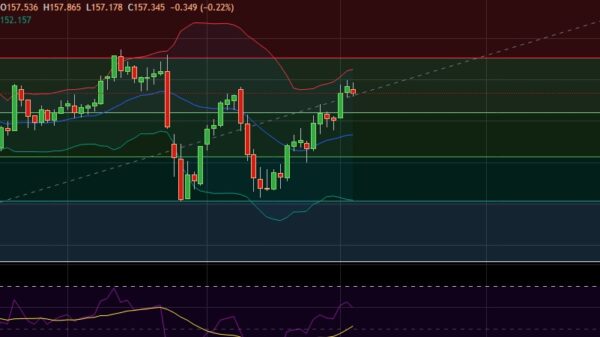


















Bitcoin is showing signs of a possible shift in short-term holder behavior, as reported by CryptoQuant. For the first time since early October, the Short-Term Holder Spent Output Profit Ratio (STH-SOPR) is attempting to rise back above the crucial 1.0 threshold. This movement reignites discussions about whether the cryptocurrency market might be experiencing a genuine trend reversal or merely another failed breakout.
The significance of the 1.0 level cannot be overstated. Historically, this mark serves as a structural pivot for STH-SOPR. During bearish market conditions, the ratio tends to remain below 1.0, where it frequently acts as resistance. In these periods, short-term holders typically sell their holdings at a loss, and attempts to reclaim the 1.0 level often falter. Conversely, in bullish phases, STH-SOPR usually sustains levels above 1.0, transforming that threshold into support. This transition indicates that short-term holders are realizing profits, which in turn fuels upward market momentum.
Since STH-SOPR initially dipped below 1.0 on October 10, Bitcoin has faced repeated challenges in breaking through this resistance. This week marks the first significant attempt to move above 1.0 after a prolonged period of compression under that level. Historical data suggests that past rallies that reclaimed this threshold have coincided with trend reversals, although it is crucial to note that past performance does not guarantee future outcomes.
Despite the potential for a trend reversal, the report from CryptoQuant emphasizes that this should not be viewed as a confirmed signal to act upon. The ultimate outcome of this attempt to maintain levels above 1.0 remains uncertain. A failure to do so would categorize this movement as a false breakout, consistent with earlier bearish market patterns.
Current data illustrates contrasting market behaviors during different phases. Gradual accumulation is typically observed when STH-SOPR hovers near or below the support level, whereas distribution zones emerge during sustained movements above resistance that later falter. Presently, Bitcoin finds itself in a transitional phase, with the STH-SOPR testing a level that has been pivotal in defining market direction for several months. The significance of whether this level becomes support again or leads to further declines will undoubtedly shape the next phase of market structure.