The digital asset market is experiencing heightened technical tension as Bitcoin confronts substantial resistance in the $90,000 range. This psychological barrier has consistently hindered recovery efforts in recent weeks. Following a brief spike to an intraday high near $89,542, the leading cryptocurrency retreated towards $88,000, signaling a hesitancy among buyers.
Despite this pullback, there are indications of stabilization. Currently, Bitcoin is fluctuating between $87,000 and $88,000, a sideways trend that analysts view as a necessary period of consolidation rather than a sign of capitulation. It is important to note that the asset has been on a downward trajectory since reaching its all-time high of $126,000 in October, a month that unexpectedly marked the onset of the ongoing selling pressure.
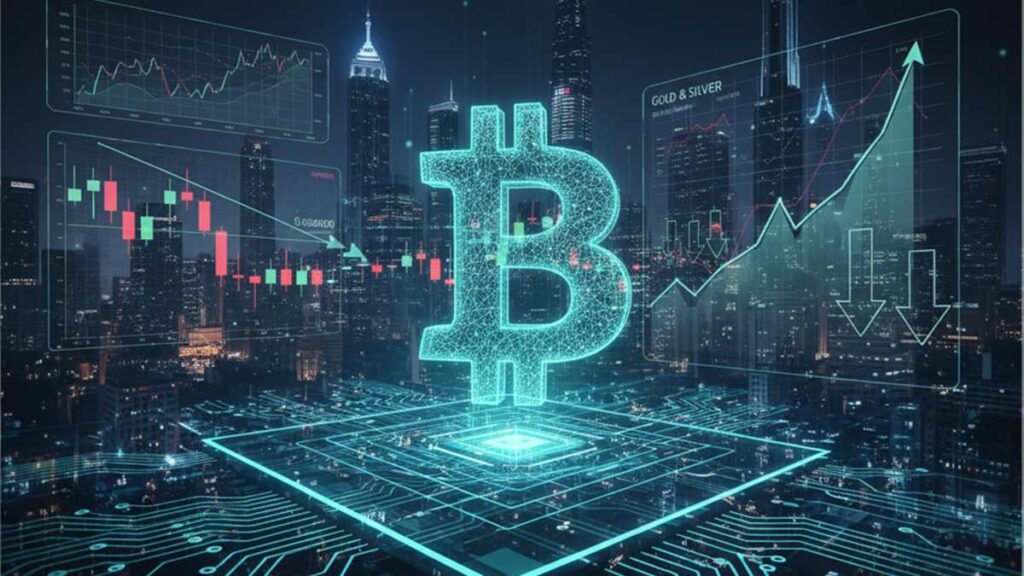
A significant factor influencing Bitcoin“s price movement is the market”s lackluster response to recent monetary policies. Although the Federal Reserve implemented interest rate cuts in both October and December—typically seen as favorable for risk assets—the crypto market has not benefited from this development. The prevailing macroeconomic uncertainty appears to outweigh the potential positive effects of these rate cuts, prompting investors to shift their capital toward traditional safe havens like gold and silver.
This shift in capital has propelled precious metals to record highs, leaving Bitcoin in a subordinate position. As risk appetite wanes, Bitcoin has decreased by more than 8% since December of the previous year. However, this tight consolidation could be setting the stage for more significant movements in 2026. Should overall market sentiment improve and a decisive breakout above the $90,000 threshold occur, it could reignite institutional interest in Bitcoin.
For the moment, the market remains in a cautious stance, closely monitoring whether the existing support levels can withstand the pressure as the year draws to a close.