



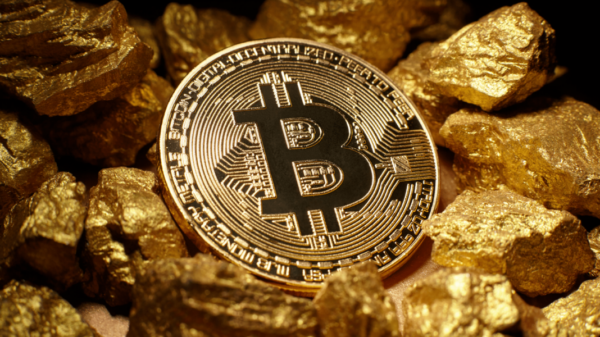









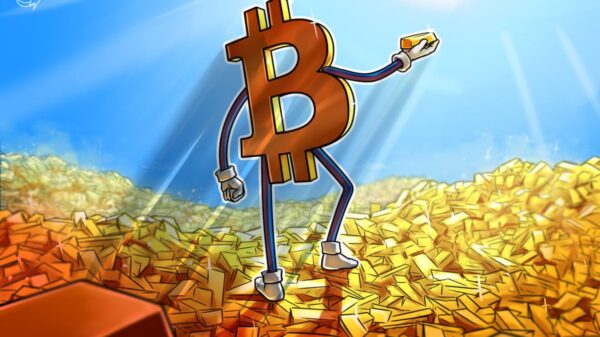

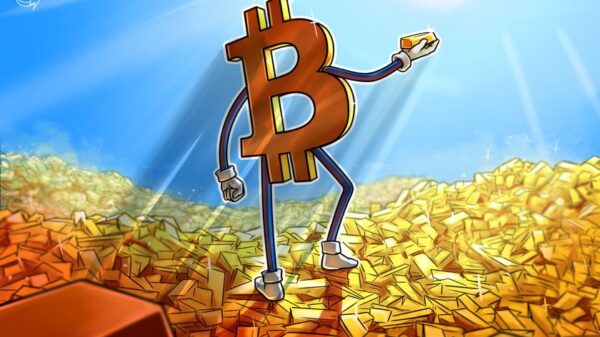




















Bitcoin (BTC) is currently experiencing significant price challenges as it trades at $89,186.09. This decline raises doubts about its effectiveness as both an inflation hedge and a safe-haven asset during turbulent times. In stark contrast, gold has surged by over 80% amidst rising inflation, geopolitical tensions, and uncertainty surrounding interest rates, while Bitcoin has dropped 14% year over year.
The market dynamics suggest that assets typically seen as protective against inflation should increase in value when fiat currency depreciates. Gold and other precious metals have adhered to this principle, while Bitcoin has not followed suit. This disparity prompts critical inquiries: why should investors consider Bitcoin when traditional assets like precious metals and equities appear to offer superior returns?
To gain insight, CoinDesk consulted seasoned Bitcoin advocates for their perspectives on the current market landscape. One notable viewpoint comes from Jessy Gilger, a senior advisor at Gannett Wealth Advisors, a firm specializing in Bitcoin wealth management. Gilger argues that the recent rise in gold prices is merely a temporary reaction to political distractions. He emphasizes that during periods of fear, institutional investors tend to gravitate toward familiar assets, often overlooking transformative technological shifts. He predicts a regression to the mean, suggesting that Bitcoin”s inherent digital scarcity will ultimately prove more efficient than the physical legacy of gold.
Mark Connors, chief investment officer at Risk Dimensions, provides another perspective, urging investors to adopt a more granular view of Bitcoin”s performance. Connors asserts that while Bitcoin may seem to be underperforming against gold in a broader context, a closer examination reveals that it is restricted by three internal factors that many overlook. He emphasizes that the issue is not one of demand but rather other market dynamics.
The current scenario showcases a divergence between traditional assets and cryptocurrencies, challenging the narrative that Bitcoin serves as a secure alternative during economic instability. As the landscape evolves, it remains to be seen how Bitcoin will position itself in the face of rising gold prices and whether it can regain its footing as a favored asset among investors.