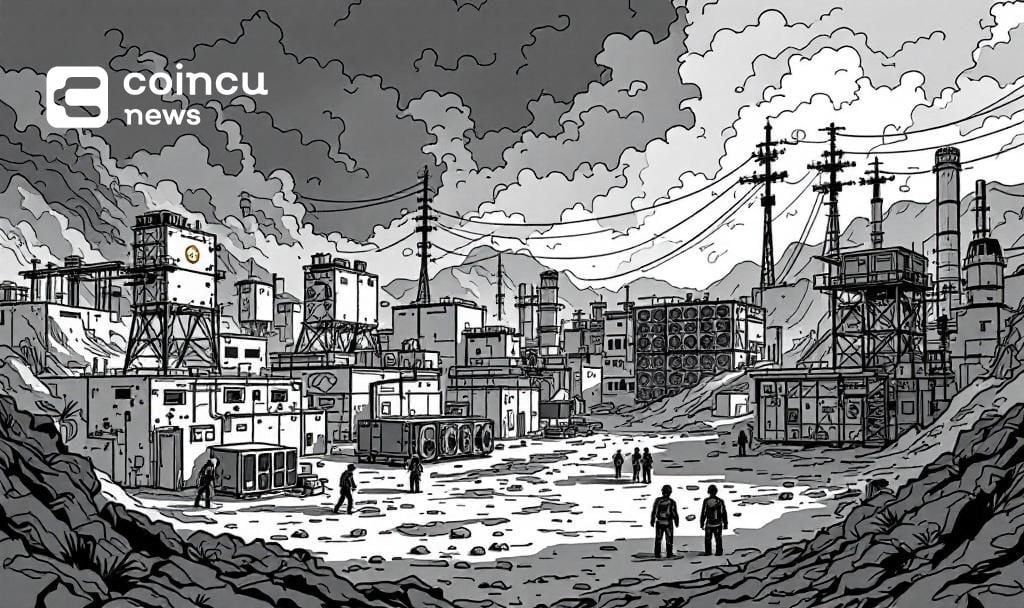
Bitcoin mining activities in Xinjiang are reportedly experiencing significant disruptions due to alleged government shutdowns, leading to a noteworthy decline in hashrate. On December 15, the hashrate diminished by 100 exahashes per second (EH/s), constituting an approximate 8% drop. This decline is attributed to over 400,000 mining units reportedly ceasing operations, as confirmed by industry insiders including former Canaan co-chairman Kong Jianping.
The immediate ramifications of these shutdowns are substantial, as the reduction in hashrate could influence Bitcoin transaction processing times and associated costs. The government crackdown appears to be primarily targeting older mining hardware, which struggles to remain competitive in the face of increasing network difficulty.
Market analysts are closely monitoring the situation to assess the potential long-term implications of this disruption on Bitcoin”s hashrate distribution globally. While there have been no official confirmations regarding the shutdowns from local authorities, previous instances of regulatory crackdowns on mining operations serve as a reminder of the inherent risks faced by the industry.
Regulatory Pressures and Historical Context
Historically, major regulatory actions have led to dramatic shifts in the geographical landscape of cryptocurrency mining. For instance, during the crackdown in 2021, more than 90% of China”s Bitcoin mining capacity was affected, resulting in a significant redistribution of mining power across the globe.
Currently, Bitcoin is trading at $89,636.51, with a market capitalization of $1.79 trillion, accounting for 58.55% of the total cryptocurrency market, according to CoinMarketCap. Recent trends indicate that Bitcoin has suffered a decline of 22.60% in value over the last 90 days.
Future Implications for the Mining Industry
The Coincu research team has suggested that ongoing regulatory pressures may prompt further changes in mining practices, potentially leading to a new wave of geographical shifts in mining operations. Such developments could have profound effects on market sentiment and investments in mining technologies.
As the situation evolves, stakeholders in the cryptocurrency space will be watching closely to see how these regulatory actions will shape the future landscape of Bitcoin mining and the broader market.