











































In a recent Twitter update, Ki Young Ju, the CEO of CryptoQuant, highlighted a significant shift in the Bitcoin market, indicating that capital inflows have come to a standstill. This development necessitates a reevaluation of trading strategies, as the dynamics of liquidity have evolved considerably.
Ju emphasized that the current liquidity channels are more varied than in previous cycles, rendering traditional methods of timing inflows less effective. He pointed out that the accumulation of long-term positions by institutions has disrupted the conventional sell cycle often seen between large holders and retail investors.
As a case in point, he cited MicroStrategy, which holds an impressive 673,000 BTC, suggesting that such corporate treasury reserves are unlikely to enter the market anytime soon. This accumulation has altered the landscape of Bitcoin liquidity, decreasing the likelihood of sudden sell-offs that previously led to sharp market corrections.
Ju also noted a trend where capital has been redirected towards other asset classes, including equities and commodities. He referred to this shift as money rotating into “stocks and shiny rocks,” which contributes to the lack of significant inflows into Bitcoin, even as it trades near its all-time highs.
The forecast from Ju is candid: he does not anticipate a drastic 50% drop akin to past bear markets. Instead, he foresees a period characterized by “boring sideways” trading for the next few months. For those contemplating short positions in hopes of a market crash, Ju”s advice is clear: “Shorting here hoping for a nuke? Good luck with that.”
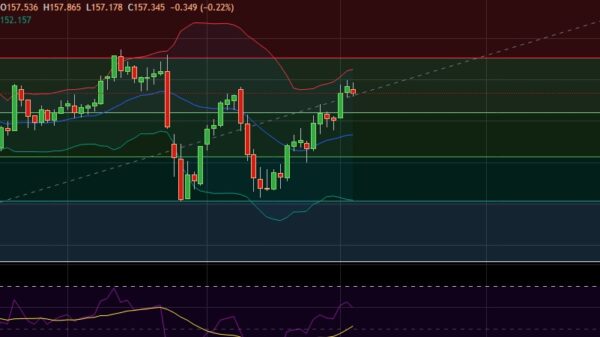
Supporting data aligns with this sideways outlook. This week, Bitcoin has remained around $46,000, with daily trading volumes diminishing compared to previous months. Additionally, open interest in CME futures has stabilized, while both Binance and Bybit report consistent but unremarkable trading flows.
Insights from analysts at Glassnode reinforce these observations, noting that long-term holders remain unfazed by short-term price fluctuations. Ju”s remarks underline a transformation in market structure: with institutions firmly holding supply and capital migrating to other avenues, Bitcoin appears poised for a phase defined more by steady trends than abrupt volatility.
For traders, this means recalibrating expectations to align with a more patient market rhythm.