












































The Crypto Fear & Greed Index has plummeted to 7, indicating “extreme fear” among investors. This figure, down from 9 yesterday, reflects a sentiment nearing the lower end of the 0-100 scale, as reported by Alternative.me. The index compiles various inputs such as volatility, momentum, and social media activity, summarizing the overall market mood. A reading in single digits often correlates with risk aversion, lower liquidity, and increased reaction to news events.
Currently, macroeconomic factors play a significant role in shaping market dynamics. As noted by CCN, fears regarding dollar devaluation appear exaggerated in bond markets, implying that Bitcoin”s recent decline is more a response to tightening monetary policies rather than an indication of a systemic failure.
Historical comparisons provide context; for instance, the index reached 5 on February 6, 2026, and registered 6 during the turmoil surrounding the Terra/Luna collapse in June 2022. The current reading of 7 places the market in a historically pressured state.
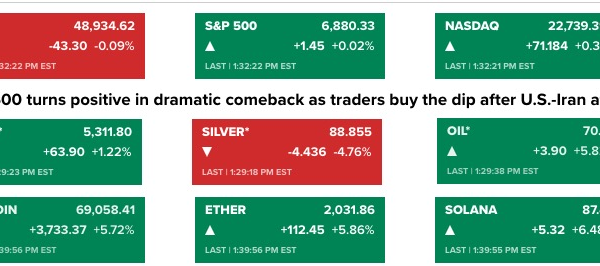
As of now, Bitcoin (BTC) trades at approximately $67,259. Technical indicators reveal a mixed momentum with a relative strength index (RSI) of 35.72, classified as neutral, and high volatility nearing 11.75%. The price remains significantly below the 50- and 200-day moving averages of about $82,958 and $99,868, respectively, adding to the prevailing risk-off atmosphere.
The aggregate index reflects a broad sense of fear rather than concerns tied to specific tokens. According to Yellow.com, the overall index has consistently remained in the single digits, suggesting that market sentiment may continue to be influenced by headlines until clearer macroeconomic signals emerge.
A reading of 7 typically indicates cautious trading behavior and reduced risk tolerance across major trading platforms. Traders should prepare for potentially volatile market conditions, characterized by heightened reactions to macroeconomic news and policy announcements. Observing whether the Crypto Fear & Greed Index rises above single digits, coupled with a decline in volatility, could signify an improvement in risk appetite.
It is crucial to interpret these extreme fear readings with caution. They should encourage tighter risk management strategies rather than impulsive trading decisions. Traders are advised to consider smaller position sizes, implement predefined exit strategies, and explore hedging options that limit downside risk while maintaining flexibility in a fluctuating market.
As the market navigates through these turbulent waters, careful monitoring of the Bitcoin specific gauge against the broader crypto index is essential. Discrepancies between the two can signal shifts in market behavior, emphasizing the need for a nuanced understanding of sentiment in the current climate.
In summary, the current extreme fear reflects tighter liquidity and a cautious tone among investors amid ongoing uncertainties in macroeconomic conditions. The evolving bond market dynamics further underscore the need for vigilance as traders navigate these challenging times.