












































If you have been monitoring Bitcoin price movements over the past six weeks, you likely noticed its ongoing challenge to reach the $100,000 threshold. This pattern may not simply be a coincidence; it could be indicative of a deliberate strategy to suppress prices. In the first week of 2026, a rally briefly sparked optimism that Bitcoin might finally escape its price consolidation zone.
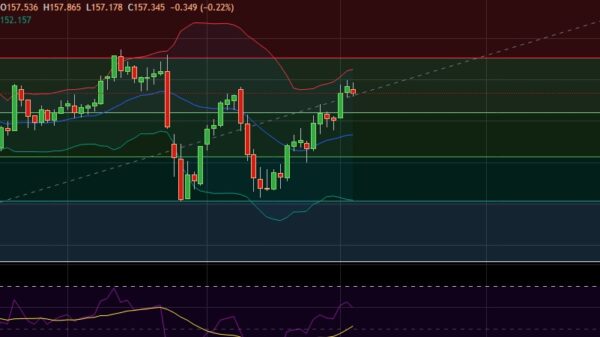
Currently, the leading cryptocurrency has been fluctuating between $84,000 and $95,000. However, a recent pivot on Tuesday and subsequent price retracement suggest that it is still not ready to move beyond this established range. Recent on-chain metrics shed light on why Bitcoin has struggled to gain the necessary momentum to break free.
The apparent demand for Bitcoin remained relatively muted above $93,000, indicating that the cryptocurrency could not maintain its latest upward momentum. At the time of this analysis, Bitcoin was trading at approximately $91,190, having cooled down by over 2% in the last 24 hours.
Interestingly, the selling pressure has been exacerbated by significant miner outflows. Reports indicate that miners have offloaded 33,000 BTC to exchanges, particularly Binance, within the first six days of January. Such miner activity is typically counterintuitive ahead of a bullish market trend, as miners usually retain their holdings when expecting price increases. This behavior suggests that miners may be liquidating some assets to cover operational costs, although it also raises questions about their outlook on future price movements.
The current Bitcoin price chart reveals a critical juncture, particularly in light of rising geopolitical tensions that may contribute to uncertainty surrounding risk assets. This backdrop could explain the subdued demand observed from whale investors during the recent rally. Interestingly, these same whales had previously accumulated Bitcoin when prices were at recent lows.
Moreover, there has been a notable increase in balances held by accumulator addresses, signifying that there is demand at lower price levels. However, this demand has been relatively weak, as many market participants remain skeptical about whether favorable market conditions will persist.
In summary, the latest rally in Bitcoin was marked by weak demand, reminiscent of previous patterns that led to heavy liquidations throughout 2025 whenever Bitcoin experienced capitulation. The current market dynamics suggest that similar outcomes could unfold. Nevertheless, Bitcoin is currently priced at a significant discount, and a new liquidity phase may be emerging as interest rates decline.
While Bitcoin appears to be somewhat insulated from traditional market influences, particularly concerning oil prices, it remains susceptible to secondary factors that could arise in the future.