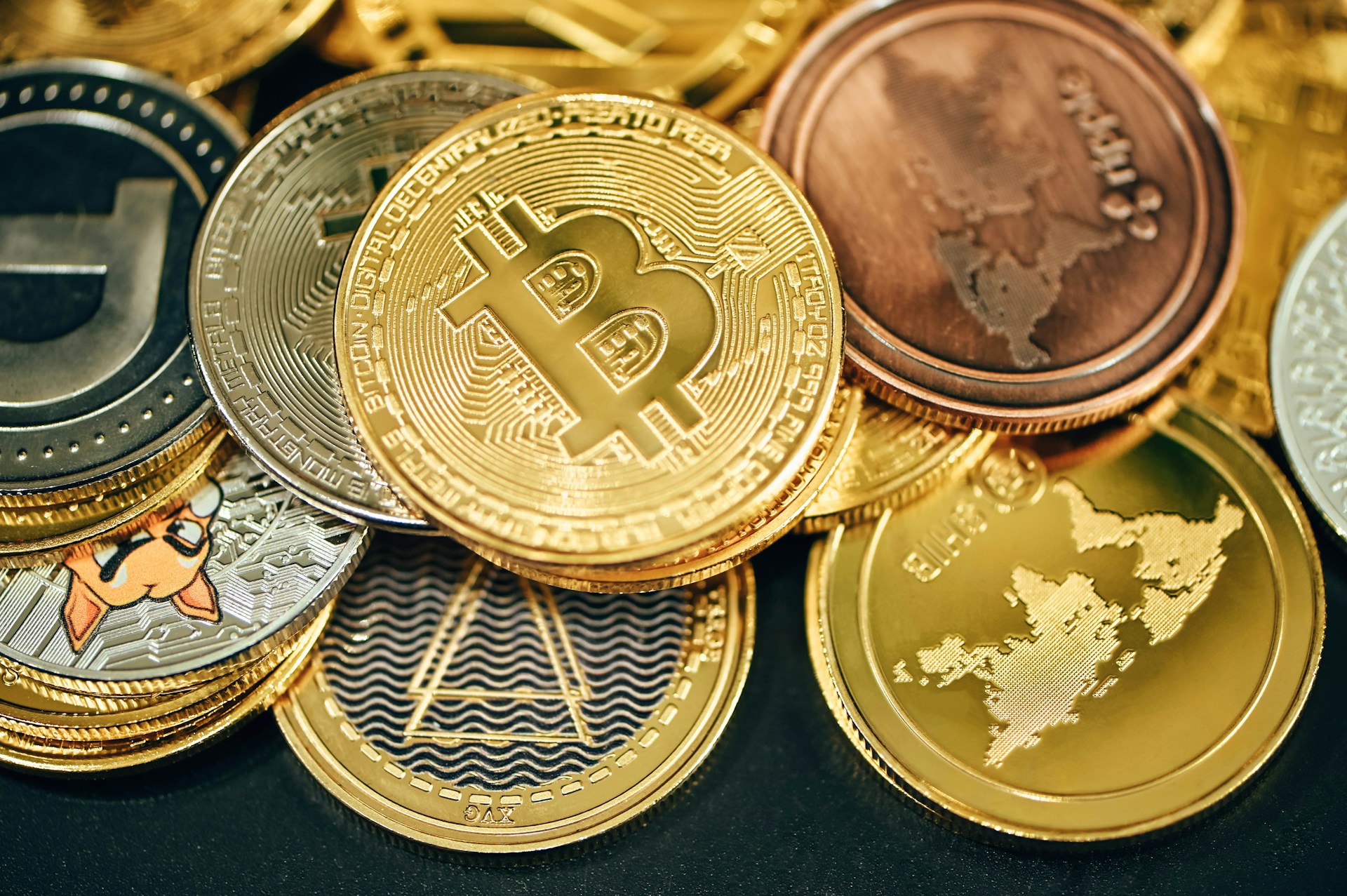
As global unrest escalates, the perception of Bitcoin is shifting dramatically. Rather than serving as a safe haven, it is increasingly viewed as a liquidity source, akin to an ATM. This trend has resulted in a decline in Bitcoin”s value, even as gold continues to rise, solidifying its reputation as a secure asset.
In the past week, as geopolitical tensions surged due to threats of tariffs from Donald Trump against NATO allies concerning Greenland, Bitcoin”s price fell by 6.6%. In stark contrast, gold experienced an 8.6% boost, nearing $5,000, highlighting a significant divergence in asset performance during times of crisis.
This situation underlines a key insight into investor behavior. While Bitcoin boasts advantages like continuous trading and instant settlement, these very features make it a go-to asset for quick liquidity when market conditions worsen. Gold, however, tends to be retained in vaults or long-term investments, making it less likely to be sold in a hurry.
According to Francisco Rodrigues, Bitcoin is increasingly perceived as an “ATM” in moments of panic, rather than the protective asset it was once thought to be. Greg Cipolaro, NYDIG”s Global Head of Research, emphasizes that during times of uncertainty, liquidity preferences dominate. This dynamic tends to favor gold over Bitcoin, which is often sold off more readily as traders seek to de-risk their portfolios.
Moreover, large institutional players are amplifying this trend. Central banks are accumulating gold at unprecedented rates, creating a robust demand base that Bitcoin lacks. On-chain data reveals that long-term holders of Bitcoin are moving their assets to exchanges, indicating a trend of selling during price rallies, contributing to a seller overhang that further depresses Bitcoin”s price.
Conversely, gold remains attractive during periods of immediate uncertainty, making it the asset of choice when investors anticipate short-term market instability. Cipolaro notes that gold effectively hedges against risks such as war or fiat currency debasement, which do not necessarily imply a total systemic failure.
In contrast, Bitcoin is better positioned to address long-term systemic risks, such as gradual currency devaluation and declining trust in traditional financial systems. Yet, the current market sentiment suggests that investors view today”s threats as temporary, solidifying gold”s status as the preferred hedge while relegating Bitcoin to a means of emergency liquidity.
Unless the market”s perception shifts dramatically or an existential crisis emerges, Bitcoin may continue to be utilized more as a cash source than as a secure store of value.