












































Bitcoin is currently at a pivotal moment, with venture capitalist Vinny Lingham issuing a stern warning about the world”s leading cryptocurrency. On February 23, Lingham suggested that Bitcoin could be facing a “cycle-ending” situation that threatens the investments of countless holders globally.
Lingham is not an ordinary figure in the crypto landscape; his credibility stems from a solid track record in Silicon Valley”s investment circles, where he has accurately predicted significant market moves in the past. His latest remarks have sent ripples through trading platforms and social media forums, highlighting just how serious the current market conditions are.
As it stands, Bitcoin is dangerously close to the critical $60,000 mark. Falling beneath this psychological threshold could catalyze a massive sell-off, potentially erasing billions in market capitalization. Traders are on edge, with many anxiously monitoring their screens, aware that any significant drop could lead to a market-wide panic.
Lingham”s concerns are not unfounded; he points to underlying liquidity challenges and deteriorating market sentiment. This combination could exacerbate any downturn, creating a feedback loop that spirals out of control. Should Bitcoin breach the $60,000 level, Lingham anticipates a wave of panic selling that could dwarf previous downturns.
The past few weeks have been tumultuous for the cryptocurrency market, with Bitcoin experiencing erratic price swings influenced by external factors, including regulatory news and macroeconomic developments. This volatility is alarming even to seasoned investors. The crypto community finds itself divided, with some staunch supporters advocating for long-term holding strategies while others start to resonate with Lingham”s bleak outlook.
This environment of uncertainty is exacerbated by an influx of institutional investments and increasing regulatory scrutiny. Countries globally are formulating stricter regulations that could impede institutional adoption, a risk factor that Lingham believes was not as prominent during Bitcoin“s past bull runs. The Biden administration has indicated a move towards tighter oversight, while the European Union is advancing comprehensive legislation that could significantly alter the landscape.
Lingham”s insights carry weight, particularly given his history of accurate predictions. He foresaw the crypto bubble burst in 2017 and provided critical guidance during the 2020 COVID market crash, helping investors sidestep substantial losses. As he advises caution, traders are glued to their screens, acutely aware that the $60,000 threshold represents a crucial juncture between prolonged market euphoria and the looming threat of a bear market.
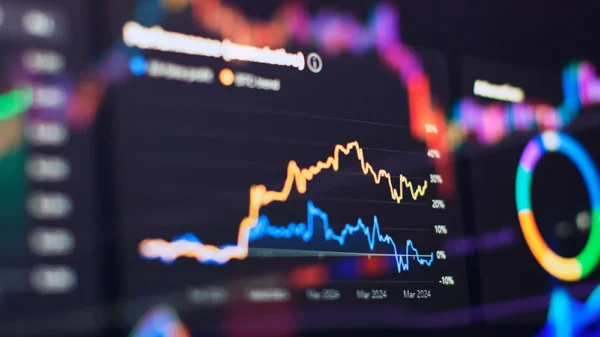
Market analysts from Wall Street are also weighing in, albeit with a more measured tone. Technical analysts are poring over support and resistance levels, drawing on charts to assess potential price patterns. However, the consensus remains that the $60,000 mark has evolved into a symbol of Bitcoin“s resilience and future trajectory.
Recently, on February 22, Bitcoin saw a brief resurgence, briefly reaching $61,500 before retracting, illustrating the market”s volatility. This fleeting uptick prompted mixed reactions among traders, with some opting to take quick profits while others doubled down on their positions. Trading activity on platforms like Binance surged, with volumes increasing significantly as investors reacted to these rapid price changes.
Quietly observing the situation, cryptocurrency exchanges such as Coinbase have yet to comment on Lingham”s stark warning. Their silence during this critical time may suggest apprehension about further market destabilization or a desire to assess the situation”s direction before speaking out.
Goldman Sachs analysts are taking a cautious stance, emphasizing the significance of market psychology at this crucial point. Their assessments suggest that Bitcoin“s forthcoming moves could have lasting implications on how institutional investors navigate the entire cryptocurrency landscape for the foreseeable future.