


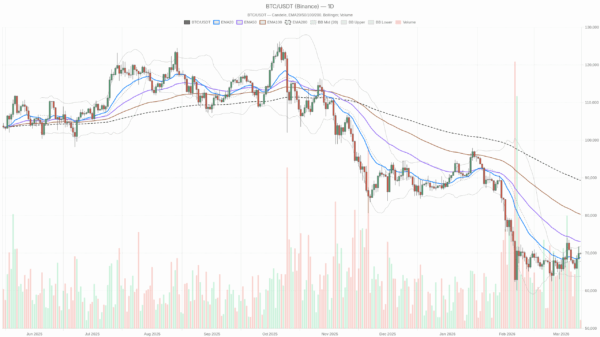






































Bitcoin is currently experiencing a correction as the crypto markets face increased volatility. This downturn is primarily driven by rising geopolitical tensions and uncertainty surrounding the leadership of the Federal Reserve, alongside delays in regulatory developments in the U.S. These factors collectively heighten short-term risks, yet they do not seem to undermine the long-term adoption trends of cryptocurrency.
As the market grapples with these macroeconomic challenges, investors are weighing potential outcomes regarding the future chair of the Federal Reserve. The implications of these leadership changes could significantly influence monetary policy and, consequently, the broader economic landscape that affects digital assets like Bitcoin.
This period of uncertainty has led to fluctuations in the digital asset space, with traders and investors closely monitoring developments that could impact market sentiment. While the immediate future may appear tumultuous, the underlying trends in cryptocurrency adoption continue to show resilience, suggesting that long-term growth remains feasible despite short-term challenges.
As the situation evolves, it will be essential for participants in the crypto market to stay informed about both geopolitical events and regulatory updates. These dynamics are critical in understanding the broader context that shapes the performance of Bitcoin and other cryptocurrencies.