






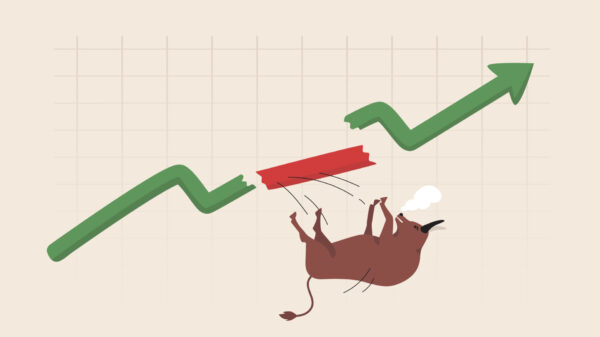







































Bitcoin faced a notable downturn as geopolitical tensions escalated between the U.S. and Iran, coupled with a wave of selling from short-term holders. This bearish sentiment in the market contributed to a drop in Bitcoin prices, which recently peaked near $74,000 before retreating.
As the conflict between the U.S. and Iran entered its second week, market participants grew increasingly cautious. Signals from U.S. President Donald Trump regarding potential military actions against Iran heightened fears of an expanded conflict, which in turn affected not just oil markets but also the sentiment surrounding cryptocurrencies.
Recent statements from Iranian officials indicated a reluctance to negotiate, reinforcing the prevailing uncertainty. Data from prediction markets suggested only a 25% chance of a ceasefire by March 31, prompting traders to keep a close watch on developments that could further impact the price of Bitcoin.
Impact of Rising Oil Prices
Additionally, the surge in U.S. oil prices, which surpassed $90 per barrel for the first time this year, added further pressure on risk assets like Bitcoin. Higher oil prices often signal rising inflation concerns, leading traders to adopt a more selective approach to speculative investments.
This macroeconomic backdrop contributed to a swift pullback in Bitcoin prices, which had recently enjoyed a brief rally. The rebound was short-lived as traders focused on the negative implications of rising energy costs and geopolitical instability.
Short-Term Holders Drive Selling
On-chain analysis revealed that short-term holders were instrumental in the recent price decline. Reports indicated that these investors shifted over 27,000 BTC to exchanges, reflecting a significant uptick in selling activity. Many of these traders appeared to prefer locking in quick profits rather than holding out for extended gains.
With the realized price for this group around $68,000, Bitcoin faced substantial selling pressure as it approached this critical level. This behavior suggested a reluctance among short-term holders to maintain their positions in the face of growing uncertainty.
Whale Activity Contributes to Downward Trend
Adding to the selling pressure was the activity of larger market participants, often referred to as whales. As Bitcoin reached its recent high, significant liquidations from these players further compounded the downward momentum. The interaction between whale selling and the activities of short-term holders created a perfect storm for Bitcoin, leading to a drop towards the $67,000 mark.
In summary, the combination of geopolitical tensions, rising oil prices, and strategic selling by both short-term holders and whales has resulted in a challenging environment for Bitcoin. Traders are advised to remain vigilant as they navigate this volatile landscape, closely monitoring both macroeconomic indicators and market sentiment.