




















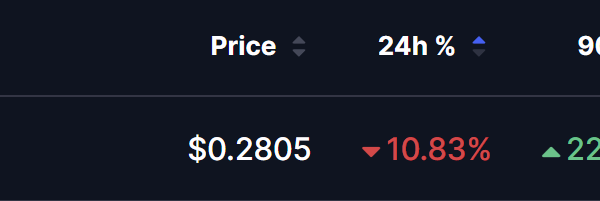

























In a striking turn of events, Bitcoin exchange-traded funds (ETFs) have seen a staggering outflow of $348.83 million this week as institutional investors abandon their crypto positions. This mass exodus is primarily attributed to turbulent price fluctuations and rising regulatory apprehensions that have left many big money players feeling uneasy.
Data from analytics firms illustrates a continued trend of withdrawals, effectively erasing much of the bullish sentiment that characterized earlier months when institutional demand for digital assets surged. The outflows are significantly undermining Bitcoin“s prospects for a robust price recovery, a fact not lost on traders who are closely monitoring market dynamics.
Once heralded by Wall Street as the ideal entry point for institutions into crypto, Bitcoin ETFs are now witnessing rapid declines in assets under management. The sudden downturn has been exacerbated by a wave of regulatory uncertainty, especially following recent comments from the SEC regarding potential changes in the regulatory landscape, which have sent shockwaves through trading floors.
Market analysts from CryptoQuant have identified these regulatory fears as a primary catalyst driving institutional decisions. The recent volatility in Bitcoin“s price is well-documented, but the intensity of these fluctuations has been particularly severe. Such instability is a red flag for institutional investors who typically favor steadiness over risk, contrasting with the risk-tolerant nature of retail crypto enthusiasts.
As of March 6, Bitcoin was trading around $42,000, a crucial support level that traders are watching closely. A breach of this mark could precipitate further selling pressure, exacerbating an already fragile market sentiment. The silence from major ETF players like BlackRock, the world”s largest asset manager, amid these outflows has raised eyebrows, with industry insiders speculating about possible strategic shifts that could influence market trends.
Despite the retreat of many institutions, some players remain committed. MicroStrategy, led by CEO Michael Saylor, has doubled down on its strategy, purchasing an additional 5,000 BTC at an average price of $45,000 each. This bold move stands in stark contrast to the cautious stance adopted by many others in the market.
Other notable firms, such as Fidelity Investments, are closely monitoring the situation. Insiders reveal that Fidelity is reassessing its exposure to Bitcoin ETFs in light of the current volatility, and any shifts in their strategy could significantly impact the broader crypto investment landscape.
Currently, Bitcoin”s market capitalization is approximately $800 billion, reflecting a notable decrease from previous highs, a clear indicator of the ongoing impact from ETF outflows. The rapid withdrawal of institutional capital that once flowed into Bitcoin now poses a challenge for its recovery.
While advocates of cryptocurrency assert that such corrections are typical for an emerging asset class, institutional players are less convinced, prioritizing predictability over speculation. The regulatory environment remains a pivotal factor that could dictate future ETF flows, highlighting the urgent need for clarity in the space.
As the crypto community remains in a state of anticipation, the focus is on potential indicators that could signal a reversal of this downward trend. With ongoing discussions surrounding regulations and fluctuating market conditions, stakeholders are keenly observing every development that may influence Bitcoin”s trajectory.
Despite current obstacles, Bitcoin”s dominance in the ETF space remains significant. Major pension funds, including CalPERS and the Ontario Teachers” Pension Plan, reportedly reduced their crypto allocations by 15-20% recently, according to data from Chainalysis. These withdrawals from such colossal institutional players are particularly impactful given the more than $400 billion in assets they collectively manage.
Trading volumes have also taken a hit, with data from Goldman Sachs indicating a 23% drop in Bitcoin futures open interest since early March, while the CME Group recorded an 18% decline in institutional trading volume. These figures clearly illustrate Wall Street”s diminishing enthusiasm for cryptocurrency investments, especially among hedge funds that had previously allocated 3-5% of their portfolios to digital assets.