













































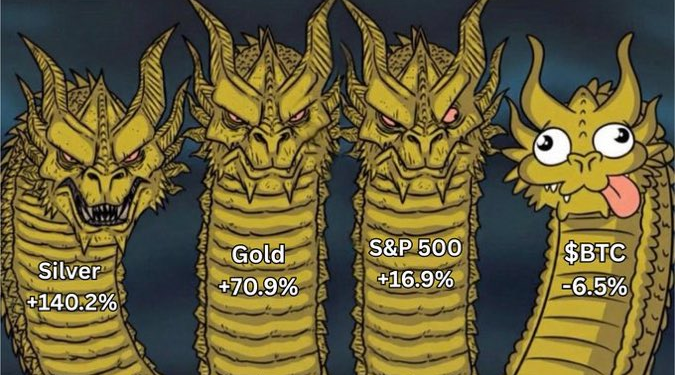
The Bitcoin market concluded 2025 with prices ranging from $87,000 to $88,000 as the new year commenced. Amid a landscape of thin holiday trading and closed traditional financial markets, various indicators suggest an ongoing selling trend, particularly from U.S. investors.
One significant metric, the Coinbase Bitcoin Premium Index, indicated a widening negative spread, reaching levels between -0.08% and -0.186% in late December. This index compares the price of Bitcoin on Coinbase, a major U.S. exchange, against global platforms like Binance. A persistent negative premium implies heightened selling activity on Coinbase, often associated with U.S. traders or institutions liquidating assets as the year concluded.
The analysis of late December shows multiple dips below zero on the index, with brief periods of positivity overshadowed by an overall trend towards negativity. This trend may reflect the actions of U.S. retail and some institutional investors engaging in profit-taking or risk management. Even during a period of holiday market closure, the selling pressure remained, indicating a cautious sentiment rather than widespread panic.
In contrast to the selling pressure, BlackRock“s iShares Bitcoin Trust (IBIT) ended the year on a strong note, accumulating approximately 220,000 BTC throughout 2025, bringing total holdings to around 770,000–772,000 BTC. If this trend of inflows continues, the fund could potentially approach 1 million BTC in 2026. Additionally, Tether increased its reserves by 8,888 BTC, further strengthening its stablecoin backing.
After experiencing seven consecutive days of outflows totaling $1.12 billion, U.S. spot Bitcoin ETFs saw a turnaround on December 30, attracting $355 million in inflows. This reversal signals a return of liquidity in the market and suggests possible bargain-hunting as the year turned.
Looking ahead, market expectations regarding the Federal Reserve”s January 28, 2026 meeting show only a 16.1% likelihood of a rate cut, while there is an 83.9% chance that rates will remain steady within the current 350-375 basis point range. This hawkish sentiment stems from persistent inflation and robust economic data, which have dampened earlier expectations of easing that had previously buoyed risk assets like Bitcoin.
Charts comparing Bitcoin and gold reveal similar breakout patterns. Gold experienced a significant rally from lows around $1,175 to exceed $1,425, while Bitcoin has been projected to rise from lows between $80,000 and $90,000 towards potential highs exceeding $140,000. Analysts are optimistic that if Bitcoin can close and maintain its position above $90,000, it could quickly reprice towards $100,000 or more, driven by comparable liquidity flows in the macroeconomic landscape.
As Bitcoin enters 2026, it does so amidst a period of consolidation following a tumultuous end to 2025. While U.S. selling pressure persists, strong inflows from ETFs, ongoing accumulation by BlackRock, and favorable momentum akin to gold provide optimistic counterpoints. A sustained breach above critical resistance levels could catalyze rapid gains as the new year unfolds.