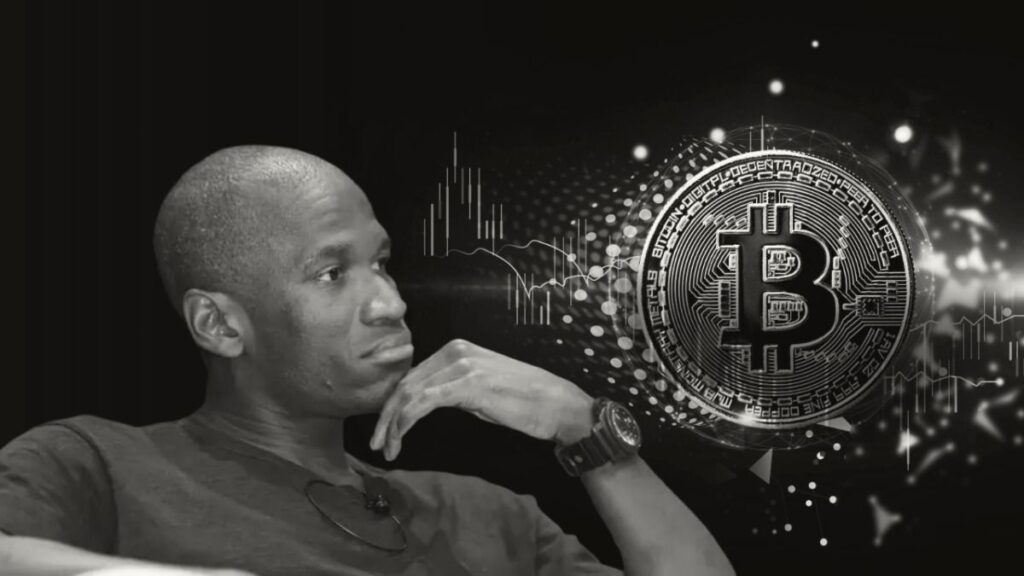
Arthur Hayes, the former CEO of BitMEX, has pointed to a substantial contraction in U.S. dollar liquidity as a key factor behind the recent dip in Bitcoin prices. In his recent statements, Hayes emphasized that this pullback is not a consequence of issues specific to the cryptocurrency market but rather a reflection of a broader systemic liquidity drain.
Recent data indicates that U.S. dollar liquidity has decreased by approximately $300 billion in recent weeks. Of this total, an estimated $200 billion is attributed to a surge in the Treasury General Account, where the U.S. Treasury is amassing cash reserves. This strategy aligns with preparations for potential government spending amidst fears of a budgetary shutdown.
Hayes noted on social media, “roughly $300 billion fall in $ liquidity over past few weeks driven mostly by $200 billion rise in TGA, gov could be raising cash balances to fund spending in case of shutdown. $BTC falling not a surprise given the fall in $ liquidity.”
This contraction in liquidity is evident in the USDLIQ index, which monitors overall dollar liquidity conditions. The index has declined nearly 7% over a six-month period, dropping from about 11.8 million in August to approximately 10.88 million by late January. Concurrently, Bitcoin has struggled to maintain its momentum, recently slipping below $89,000 following a brief recovery.
Market behavior has also shifted, with indications of reduced speculative activity. According to CoinGlass, open interest in cryptocurrency futures has plummeted by 42% from its all-time highs. This capital rotation into traditional assets, such as gold and silver, has been influenced by tightening financial conditions, escalating geopolitical tensions, and critical decisions made by the Federal Reserve regarding interest rates.
As the landscape evolves, traders and investors are advised to closely monitor liquidity trends and macroeconomic factors that could further influence the cryptocurrency market.