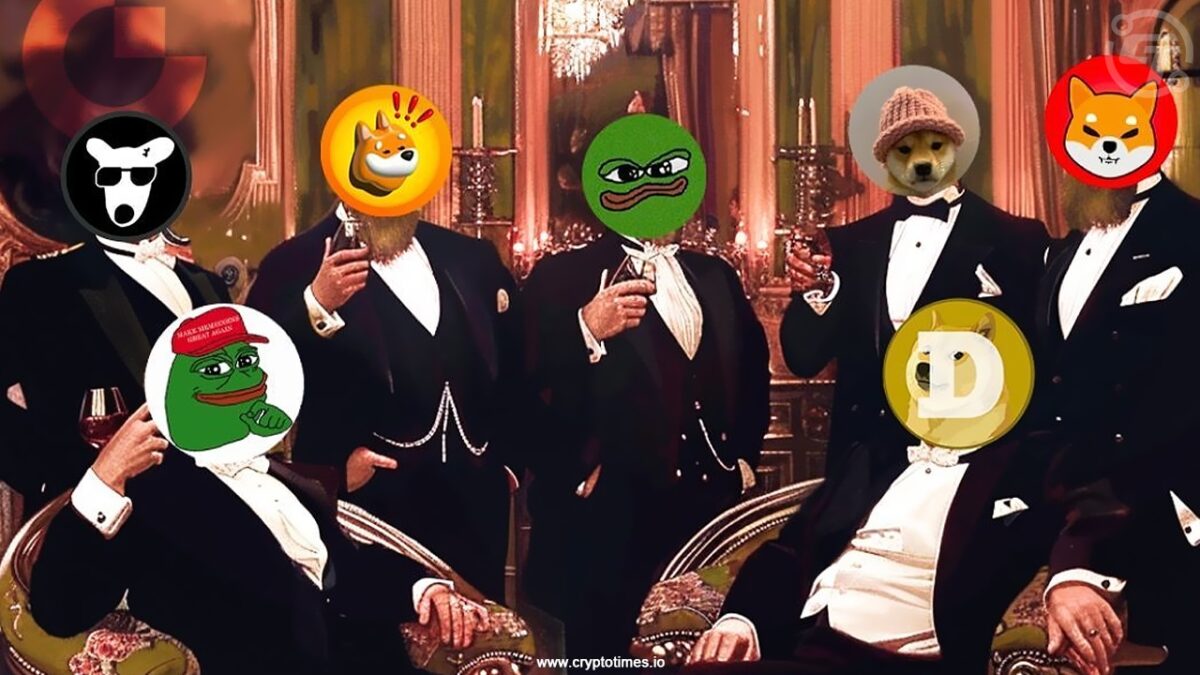
As we approach 2026, memecoins have solidified their place in the cryptocurrency landscape, representing a form of financial nihilism rather than a failed investment strategy. Users are trading chaos and spontaneity instead of the promises typically offered by traditional cryptocurrencies. Coins such as Dogecoin, Shiba Inu, PEPE, BONK, and FLOKI have shown resilience, thriving not due to superior technology but because they resonate culturally with the public.
This cultural relevance is crucial; as the market becomes increasingly disenchanted with institutional narratives and expert predictions, these memecoins offer a refreshing alternative. Unlike their more serious counterparts, they do not present roadmaps or elaborate fundamentals but instead focus on participation, community, and the collective momentum that drives their value.
The absurdity that characterizes memecoins is not merely a joke; it reflects a broader sentiment that has emerged as users grow weary of the conventional financial system. As inflation and market volatility continue to erode trust, many investors are looking for alternatives that acknowledge this chaos rather than attempt to rationalize it.
Memecoins excel because they are easily understood. The humor and virality associated with memes transcend complex tokenomics, allowing anyone to engage without a steep learning curve. As a result, Dogecoin and Shiba Inu have outlasted countless technically superior projects not through their technology but through their cultural impact.
The essence of memecoins lies in their transparency. Buyers of PEPE or FLOKI understand the inherent risks; they accept that investments could either plummet or skyrocket without warning. This honest acknowledgment of risk contrasts sharply with the often overly optimistic narratives of traditional crypto projects that can lead to disillusionment when expectations fall short.
Moreover, memecoins serve as a protest against a financial system perceived as unfair and irrational. As major banks collapse and insiders benefit from bailouts while retail investors are encouraged to “be patient,” the appeal of these coins lies in their ability to express collective skepticism. The absurdity of the financial world is mirrored in the very existence of memecoins, which invite investors to laugh in the face of unpredictability.
Regulatory bodies may view memecoins as speculative and risky, but for many users, they represent radical transparency and a break from conventional finance. This environment, where safety nets are absent and risk is openly acknowledged, is unsettling to some, yet liberating for others who have grown tired of the traditional financial narrative.
Heading into 2026, memecoins reflect a significant shift in how individuals approach investment and finance. They do not signify the future of finance but rather hold up a mirror to a market grappling with disillusionment and the desire for authenticity. The humor and chaos of memecoins may just be the only thing that feels genuine in an increasingly complex financial landscape.