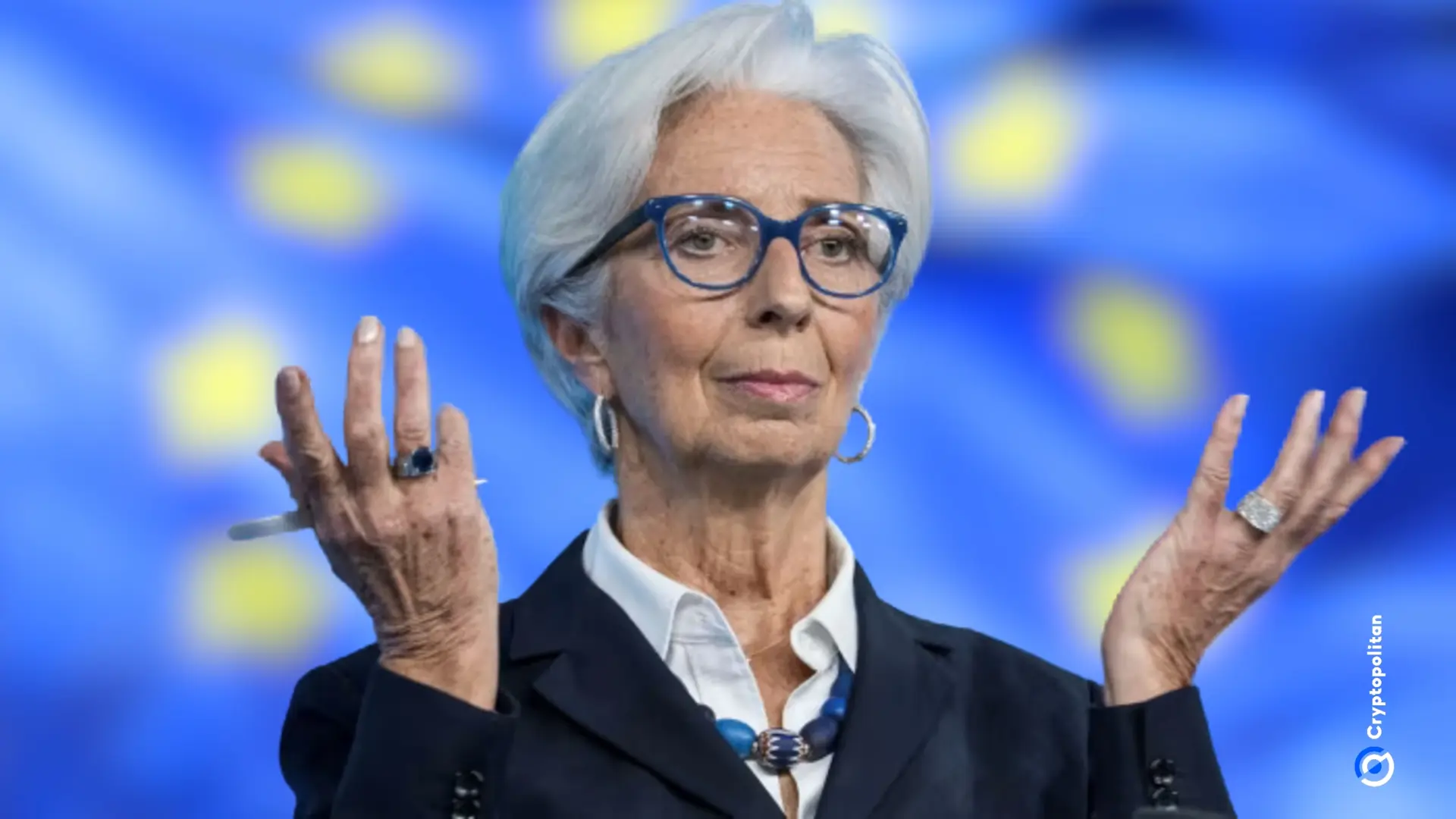
European Central Bank (ECB) President Christine Lagarde has raised alarms about the resurgence of uncertainty in the economic landscape due to recent tariff threats from U.S. President Donald Trump. In a discussion at the World Economic Forum in Davos, she emphasized that these trade tensions are undermining trust between the United States and Europe.
Lagarde articulated that the uncertainty stemming from potential tariffs poses a more significant risk than the tariffs themselves. Businesses on both sides of the Atlantic are now grappling with the implications of these threats, which are likely to lead to delays in investment and hiring decisions, ultimately hampering economic growth.
The ECB has highlighted that trade acts as a crucial link between Europe and the United States, with numerous companies from both regions operating within each other”s markets. Abrupt changes to tariff structures can disrupt businesses reliant on stable trading conditions, raising concerns for the ECB as companies may start to scale back on spending and investment.
Interest rates in Europe have remained unchanged since June, and current forecasts from investors and economists do not anticipate any immediate changes. Bank of France Governor Francois Villeroy de Galhau mentioned that while any new tariffs should be carefully evaluated, they are expected to have a limited impact on prices.
Moreover, the uncertainty surrounding international trade can also influence inflation rates. Increased tariffs can elevate the costs of imported goods, complicating the ECB”s efforts to maintain price stability. Given that Europe imports a substantial amount of products from the U.S., sudden tariff hikes could jeopardize the ECB”s optimistic outlook regarding inflation and economic dynamics in the coming years.
Lagarde urged that the strong trade links between the U.S. and Europe should be preserved, noting that decades of mutual trade have fostered economic cooperation and job creation. In her interview, she advised leaders from both regions to carefully evaluate the potential consequences of their decisions, stressing that jeopardizing these trade connections is not conducive to good business practices.
This call for cautious deliberation comes as trade tensions dominate discussions at the World Economic Forum, where global leaders, business executives, and experts gather to tackle pressing world issues. Lagarde”s comments underscore the repetitive nature of trade disputes that Europe has faced historically, indicating a need for strategic planning in the face of potential tariffs from the U.S.