








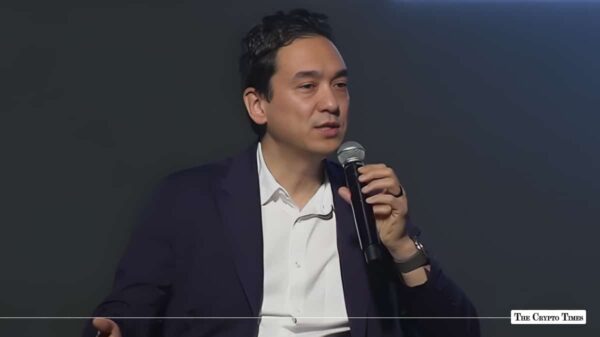


































In a recent Binance Square AMA, Changpeng Zhao, widely known as CZ, shared his insights on the evolving landscape of the crypto market. He emphasized a new trajectory for crypto capital, suggesting a significant shift towards real-world asset (RWA) tokenization and prediction markets. This perspective offers a fresh lens for crypto enthusiasts as they navigate the market”s future.
According to CZ, there”s a growing interest among nations to explore tokenization as a viable means of economic enhancement. “Every country I talk to wants to tokenize some asset in their country,” he remarked, hinting at the potential benefits such as immediate financial influxes for governments. This transition not only creates economic opportunities but also redefines asset management in the crypto space.
The concept of RWAs, which entails converting tangible assets into digital tokens, could revolutionize how countries manage and monetize their resources. CZ illustrated this potential by referencing Turkestan”s abundant water resources, highlighting that “water is more expensive than oil.” By tokenizing such assets, nations could unlock significant revenue streams, further integrating blockchain technology into their economies.
In addition to RWAs, CZ pointed to the burgeoning field of prediction markets. With global events such as the World Cup and various political elections on the horizon, these markets may gain substantial traction. He noted, “Prediction markets can be pretty hot around the World Cup,” indicating the potential for excitement and engagement in the crypto space as these events unfold.
CZ”s remarks underscore a pivotal moment in the cryptocurrency sector, as the focus shifts towards practical applications of blockchain technology. The exploration of RWAs and prediction markets presents opportunities for innovation and growth, potentially attracting new investors and reshaping the market dynamics.
As the crypto market evolves, stakeholders should stay alert to these trends that may redefine the landscape. The interplay between real-world assets and emerging market trends could set the stage for the next phase of growth in the industry.