











































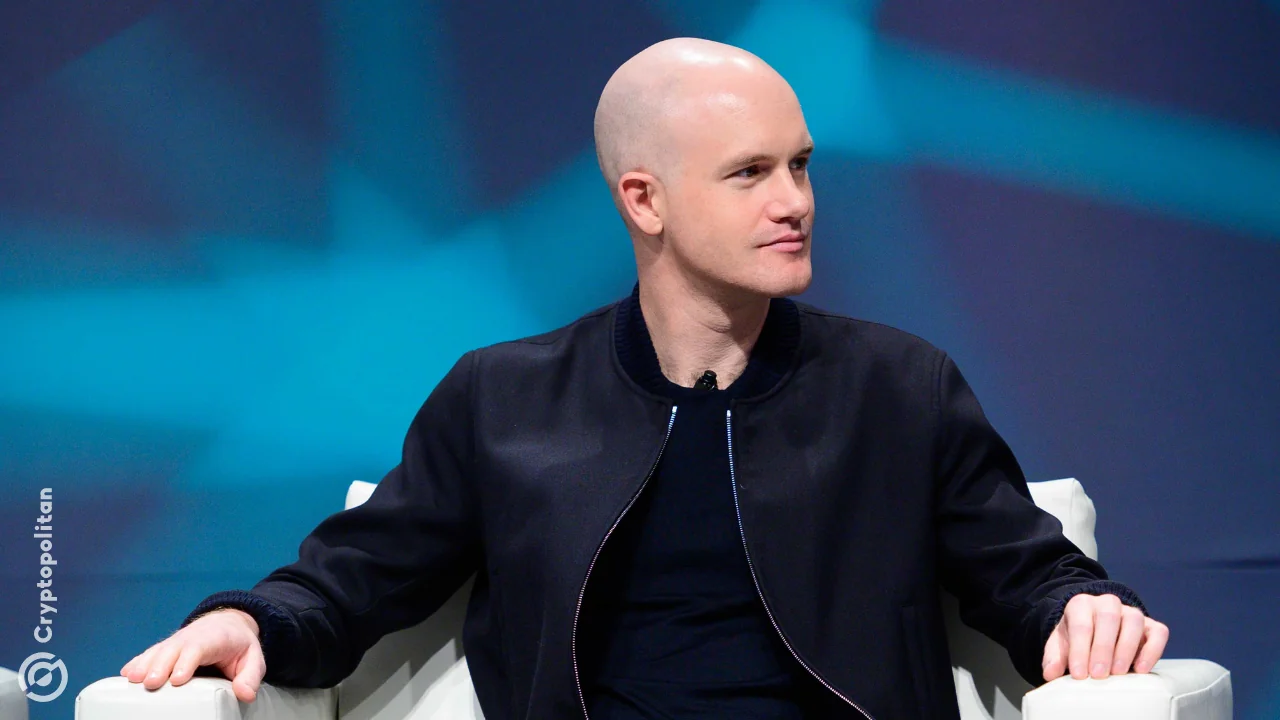
Coinbase CEO Brian Armstrong has recently voiced his support for the economic framework surrounding creator and content coins on Zora and Base. This endorsement comes in response to criticisms from a former Coinbase engineer, Hish Bouabdallah, who has raised concerns about the sustainability of such a model, suggesting it favors early investors at the cost of later participants.
Bouabdallah, founder of Tribes Protocol, articulated his perspective on social media, stating that while there is nothing wrong with the concept of creator coins, the current execution on platforms like Zora and Base misses critical elements. He emphasized that a content coin only holds genuine value if it can generate revenue and share it with its holders, pointing out that short content lacks this capability. He noted that successful platforms like YouTube and Spotify do provide monetization opportunities through advertisements and royalties.
In his critique, Bouabdallah proposed that creator coins should ideally represent a claim on a creator”s entire revenue stream, including future projects and sponsorships. He argued that without addressing revenue sharing, content coins risk being perceived as mere memecoins with enhanced branding. Furthermore, he suggested that project coins might be a more pragmatic approach than creator coins, highlighting the need for innovative solutions in the evolving landscape of SocialFi.
Armstrong countered these claims by explaining the mechanics that connect content and creator coins through liquidity pools. He stated that purchases of content coins could create demand for the linked creator coins, asserting that these assets are intertwined via liquidity structures. He elaborated on how the system operates using a nested pairing method on Zora, where content coins are coupled with creator coins in Uniswap V4 liquidity pools, enhancing the overall demand through multi-hop swaps.
Despite Armstrong”s defense, Bouabdallah remained skeptical, pointing out that the model”s success hinges on speculation. He warned that for holders to see profits, they must sell, leading to a zero-sum outcome where the last seller could be left with depreciated assets. He reiterated that platforms like YouTube thrive due to external revenue sources, namely advertisers who compensate for tangible viewer engagement.
The conversation gained urgency following the dramatic decline of YouTuber Nick Shirley”s creator coin, which plummeted by 67% from a peak valuation of approximately $9 million. This incident has drawn attention to the inherent challenges within the creator coin space. Although Armstrong initially praised Shirley”s launch as a breakthrough in on-chain monetization, the subsequent collapse revealed potential flaws in the underlying economic structure. On-chain analytics indicated that Shirley earned between $41,600 and $65,000 in creator royalties during the decline, with most trading activity stemming from existing traders rather than new participants.
The situation has prompted traders and content creators to question the viability of creator coins as a sustainable model. The case of Nick Shirley serves as a cautionary tale about the difficulties facing creator tokens in an evolving market landscape. As platforms continue to explore monetization strategies, the divide between optimistic proponents of SocialFi and critics like Bouabdallah highlights the ongoing debate over the effectiveness of tokenized social media ecosystems.
As the industry grapples with these challenges, the future of creator and content coins remains uncertain, necessitating further innovation and a focus on sustainable revenue models to attract and retain users.