





















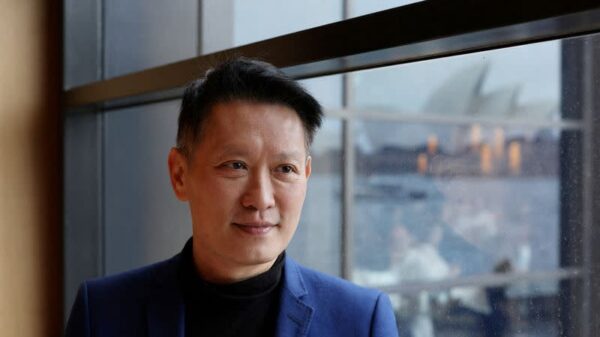








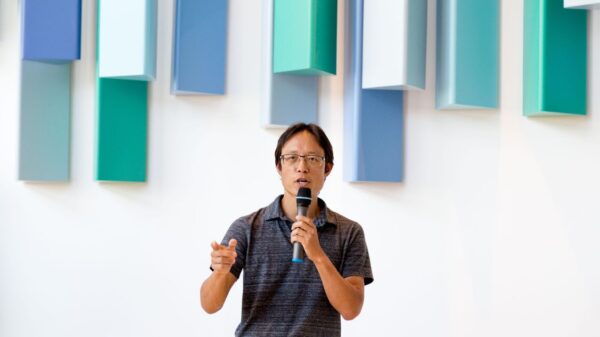









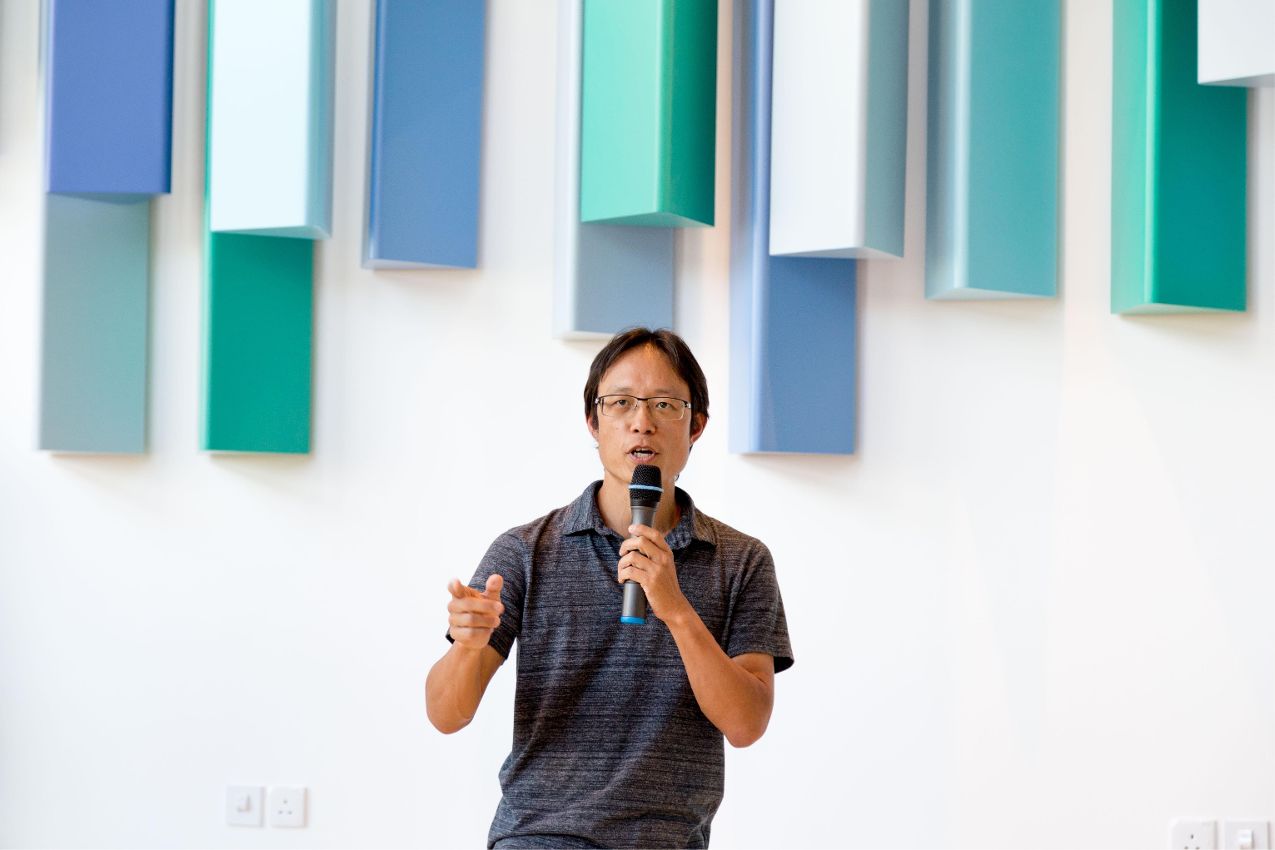
In a recent interview, Yat Siu, the executive chairman and co-founder of Animoca Brands, discussed the future of cryptocurrency and its integration with artificial intelligence (AI) technologies. Speaking at Consensus Hong Kong, Siu highlighted the potential for AI agents to manage various aspects of daily life, including financial transactions, without users even realizing they are utilizing blockchain technology.
Siu emphasized that the mainstream adoption of cryptocurrency will not stem from trading but rather from its application in everyday situations. “I don”t think the path to crypto is going to be trading. It”s going to be much more about using it in everyday life,” he stated. He noted that the underlying blockchain technology enhances efficiency and effectiveness, even if users remain unaware of its presence.
With a career in technology spanning over three decades, Siu has been a prominent figure in the blockchain space since co-founding Animoca Brands in 2014. The company is heavily invested in the Web3 ecosystem, having supported over 600 projects in this burgeoning sector. Siu also contributes to the Hong Kong government”s task force focused on advancing Web3 development.
According to Siu, the current landscape of Web3 is essentially a peer-to-peer “proof of concept,” where human involvement is critical in validating trading systems. He believes that the introduction of AI agents will necessitate a robust transaction layer that can be interpreted and verified by these agents. This layer, he argues, is best supported by blockchain technology, as it eliminates the need for multiple permissions across centralized platforms.
Siu posed a critical question regarding trust in centralized platforms: “Are you willing to trade or transact thousands of dollars on a platform that can shut you off at any time?” His remarks highlight a growing concern among users about the reliability and security of centralized financial systems.
The moment of realization for many users—akin to the public”s awakening to AI capabilities following the launch of ChatGPT—will occur when people transact using cryptocurrency without recognizing it. He pointed to Polymarket, the leading prediction market, as a case study, asking, “How many people know that Polymarket runs on a blockchain?”
Siu argues that the infrastructure costs associated with establishing a secure and efficient financial system are significant, and without blockchain technology, these costs would be unsustainable. He advocates for South Korea to shift its focus toward creating practical blockchain applications, noting a lack of truly useful innovations in the region despite its favorable crypto environment and high digital literacy levels.
He expressed surprise that South Korea has not yet produced a flagship Layer 1 blockchain, which serves as the foundational layer for independent blockchain networks. Siu believes that without a stronger emphasis on business development, the local market may continue to prioritize speculation in digital tokens, while meaningful growth remains concentrated on centralized exchanges. Such a trend could perpetuate regulatory concerns surrounding market volatility and speculative practices.
Reflecting on past initiatives, Siu noted, “When Kakao tried to do it, they didn”t go all in.” He criticized the Klaytn project for being treated as a minor feature within an app, indicating that only those already interested in blockchain would engage with it. He contrasted this with leading global crypto enterprises, which prioritize being “crypto-first,” rather than merely an extension of traditional financial services.