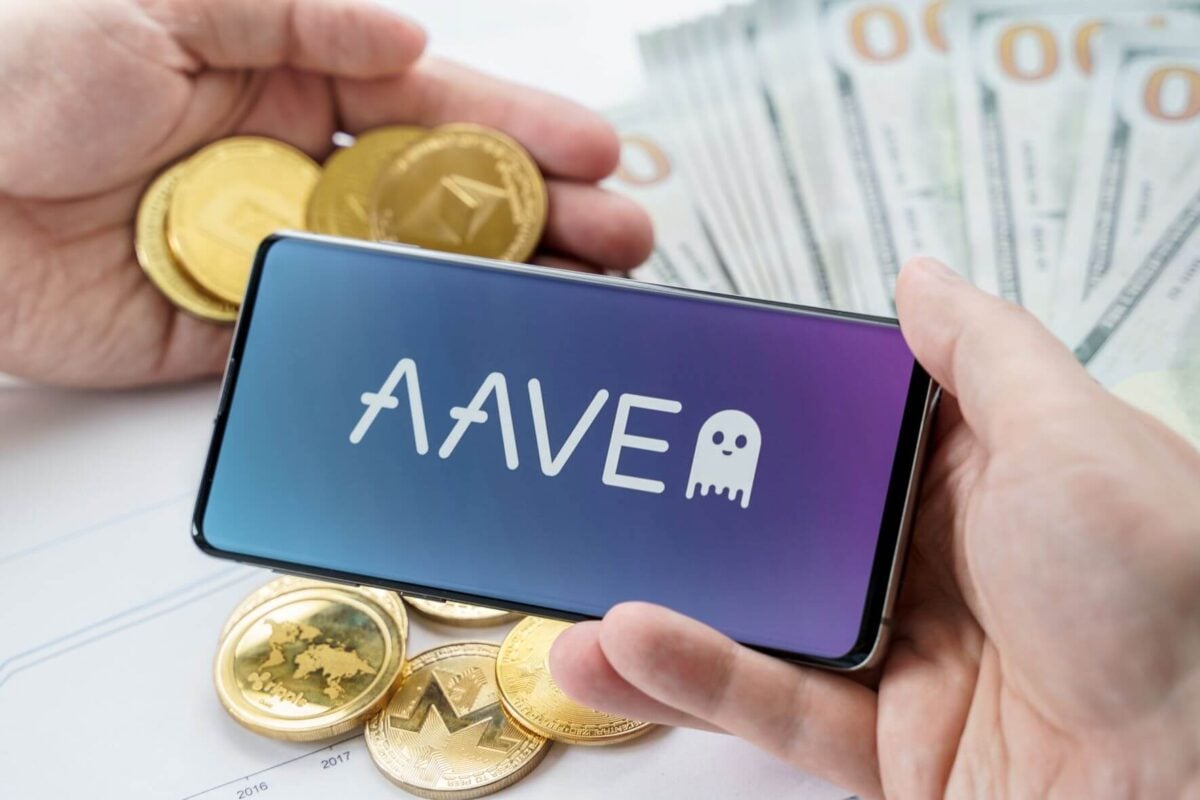
In a significant governance showdown, the Aave Decentralized Autonomous Organization (DAO) has turned down a proposal aimed at transferring brand assets into a DAO-controlled framework. This unexpected outcome has sparked intense discussions about governance and control within the protocol.
Wintermute, a prominent player in the cryptocurrency space, quickly responded to the vote”s results, highlighting what it perceives as fundamental structural gaps contributing to increasing tension in DAO governance. The rejection of the brand transfer plan has brought to light concerns regarding the alignment between token holders and development teams, revealing fractures that could impact the long-term stability and performance of the protocol.
The proposal was intended to consolidate branding rights under a new legal entity, which advocates argued would be a step towards greater decentralization. However, the vote concluded with a clear majority opposing the plan, coupled with a high rate of abstentions, suggesting a lack of consensus that has raised questions about authority and decision-making processes within Aave.
Wintermute pointed out that the disputes stemming from this vote reflect deeper issues regarding governance stability and the long-term objectives of the platform. The rapid escalation of the situation has created a fraught environment, with potential implications for future token performance. The firm emphasized the necessity for ongoing dialogue as the community navigates these contentious discussions.
Another critical aspect raised by Wintermute is the misalignment of incentives between Aave Labs and the token holders. The firm reiterated that a clearly defined value capture mechanism for the tokens is essential and urged the protocol to prioritize long-term alignment to foster ecosystem development.
The recent events have reignited discussions about dual systems that separate equity and token power, complicating governance outcomes. Critics have argued that such frameworks dilute accountability and necessitate a unified oversight approach. The rejection of the proposal has intensified scrutiny of governance models that were established during periods of regulatory uncertainty.
As the situation unfolds, Wintermute has expressed concern over the rapid progression of the proposal and its implications for market perception. The firm criticized the lack of clarity in execution related to hasty decisions and highlighted the need for thoughtful discussions rather than reactive measures.
Additionally, reports have emerged suggesting that substantial token acquisitions by a founder have raised alarms regarding concentration of influence. These developments have been labeled destabilizing, heightening worries surrounding fairness and power distribution in token-based governance frameworks.
Ultimately, Wintermute voted against the proposal and has called for Aave Labs to urgently address the alignment issues highlighted by this episode. The firm believes that establishing clear frameworks to support both ownership structures and token utility is crucial for guiding the protocol towards a more coherent governance model.