





































The adoption of XRP wallets is accelerating as users increasingly seek secure options for storing their Ripple tokens. With the global count of XRP wallets surpassing 7.5 million, it”s clear that the demand for safer alternatives to exchanges is on the rise. This trend is driven by the need for better security, especially in light of rising incidents of hacking and security breaches associated with cryptocurrency exchanges.
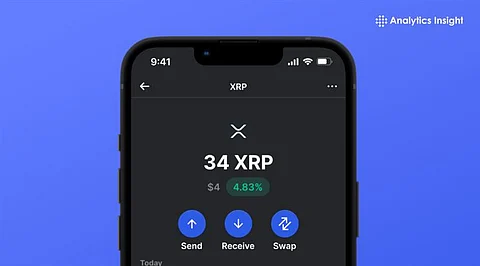
An XRP wallet serves as a tool for users to safely store, send, and receive their tokens. These wallets can be categorized into two primary types: software wallets and hardware wallets. Software wallets are applications that run on computers or mobile devices, offering convenience for everyday transactions. In contrast, hardware wallets are physical devices that keep private keys offline, providing enhanced security for long-term storage and larger balances.
When choosing an XRP wallet, factors such as security features, ease of use, device compatibility, and support for multiple assets play a crucial role. Below, we highlight ten notable wallets that XRP holders should consider:
- Ledger Nano X: This hardware wallet secures private keys offline and connects via USB or Bluetooth to the Ledger Live app. It supports thousands of cryptocurrencies and is ideal for high-security needs.
- Toast Wallet: Designed specifically for XRP, this straightforward, non-custodial wallet is open source and requires no fees. Its user-friendly interface makes it suitable for beginners.
- Atomic Wallet: Supporting XRP and over 300 other cryptocurrencies, this wallet allows users to swap assets and earn rewards through staking. It offers complete control over private keys and is compatible with both mobile and desktop platforms.
- Garuda Wallet: This wallet not only supports XRP but also a variety of other digital assets. Its features include internal exchange services and staking opportunities, accessible via web browsers or mobile devices.
- Exodus Wallet: With a clean design and efficient performance, Exodus includes an internal exchange and is available on both desktop and mobile, making it suitable for frequent traders.
- Edge Wallet: A mobile-focused application that integrates security measures like PIN codes and biometric access, Edge Wallet allows users to swap assets conveniently.
- Cobo Wallet: Offering both software and hardware storage options, Cobo supports XRP along with several other blockchains. It provides customizable security tiers and rewards for certain assets.
- Xumm: Tailored for the XRP Ledger, Xumm enables payments, creation of trust lines, and interaction with XRP-based applications, making it a popular choice among the Ripple community.
- Trust Wallet: A widely adopted multi-asset mobile wallet, Trust Wallet supports XRP and features a simple interface that connects to decentralized services, allowing users to manage various cryptocurrencies in one place.
- Trezor Model T: This hardware wallet includes a touchscreen and adheres to high-security protocols, keeping private keys offline while being compatible with numerous digital assets through supported applications.
As the popularity of Ripple and XRP continues to grow, the reliance on secure wallets becomes increasingly important. Hardware wallets typically offer the best protection for significant XRP holdings, while software wallets provide easy access for everyday transactions. Regardless of the type of wallet selected, prioritizing security is essential. Users should safeguard their recovery phrases, keep their software updated, and avoid unknown links to mitigate potential security risks.
Frequently Asked Questions about XRP Wallets
- Why are more people choosing XRP wallets instead of exchanges? XRP wallets allow users direct control over their private keys, reducing the risk of exposure to hacks commonly associated with centralized exchanges.
- What is the main difference between hardware and software XRP wallets? Hardware wallets maintain offline storage for superior security, while software wallets are designed for everyday use on devices.
- Are XRP wallets suitable for beginners in cryptocurrency? Yes, many XRP wallets feature user-friendly interfaces and basic functionalities that make them accessible for newcomers.
- Can XRP wallets store cryptocurrencies other than XRP? Several XRP wallets support multiple digital assets, enabling users to manage different cryptocurrencies together.
- How can users improve the security of their XRP wallets? Security can be enhanced by protecting recovery phrases, regularly updating software, and avoiding links from unknown sources.
In conclusion, the landscape of XRP wallet options is diverse, catering to various user needs. Whether opting for a hardware wallet for enhanced security or a software wallet for ease of access, users must remain vigilant in safeguarding their digital assets.