






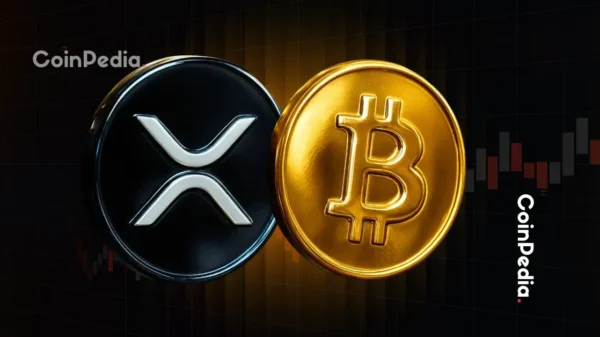























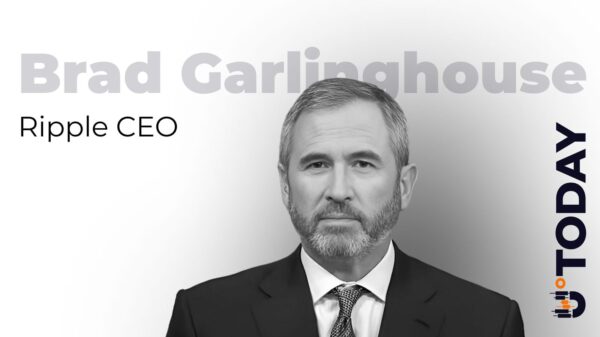





In a striking analysis, cryptocurrency expert and XRP holder Jake Claver has proposed a scenario where XRP might eventually overtake Bitcoin in the digital currency landscape. Claver emphasizes that this could be the most significant prediction he has made, asserting that the markets might be on the brink of a black swan event that could trigger widespread financial disruption.
Claver”s thesis revolves around the notion of a “domino effect,” which he believes could dramatically alter liquidity flows between traditional financial markets and digital assets. He identifies geopolitical tensions and rising oil prices as key factors, suggesting that an increase in oil prices could elevate inflation, prompting nations like Japan to adjust interest rates.
This adjustment, according to Claver, could lead to the unwinding of the long-established Japanese carry trade, which has seen trillions of dollars borrowed at low rates in yen being invested into various global assets, including stocks, bonds, gold, and cryptocurrencies. Should this unwinding occur rapidly, Claver warns it could extract liquidity from markets worldwide.
Under such conditions, Claver predicts that Bitcoin could experience significant selling pressure. He explains that when liquidity is constrained, institutions often liquidate the most liquid assets first, which could result in heavy sell-offs of Bitcoin, particularly through Exchange-Traded Funds (ETFs). This scenario might trigger a feedback loop, where falling prices lead to further redemptions, exacerbating the downward trend before any stabilization can occur.
Conversely, Claver argues that XRP could thrive in this environment due to its swift transaction speeds, low costs, and established liquidity infrastructure. He positions XRP not merely as a speculative investment but as essential financial infrastructure capable of facilitating substantial value transfers quickly during times of market stress.
Claver posits that if markets shift towards instant settlement to mitigate counterparty risks, assets designed for speed and liquidity, like XRP, may gain prominence. He also emphasizes that his insights do not constitute financial advice but rather reflect one potential macroeconomic trajectory. He acknowledges the likelihood of extreme volatility across all asset classes in such a scenario.