












































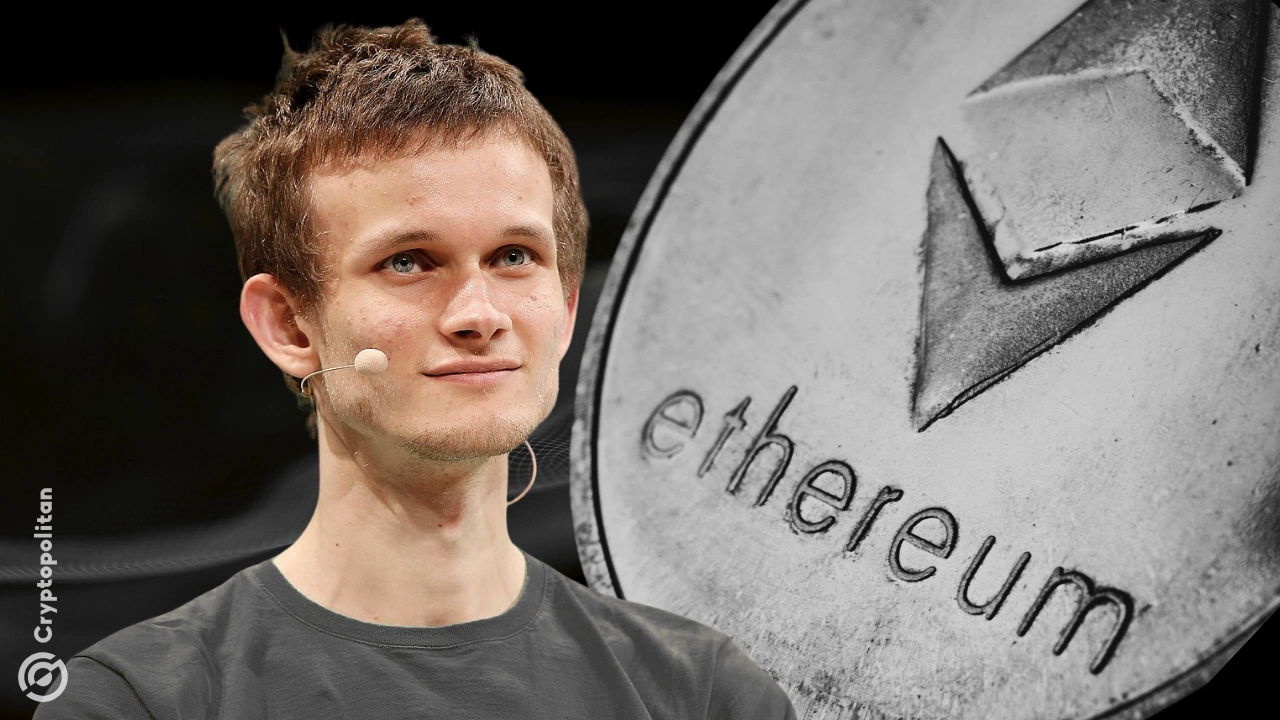
Ethereum co-founder Vitalik Buterin has stated that the year 2026 will signify a pivotal moment for the network, marking its efforts to reclaim essential principles such as self-sovereignty, decentralization, and user privacy. In a recent post on social media platform X (formerly Twitter), Buterin highlighted the Ethereum community”s determination to reverse perceived losses in user autonomy over the past decade.
Buterin specified that Ethereum”s trajectory toward restoring trustlessness and user control will require time, indicating that not all aspirations will be realized in the next Kohaku release or even in later hard forks. However, he expressed confidence that the incremental advancements will fortify Ethereum”s position not only as a leading blockchain but also as a more robust entity within the wider blockchain ecosystem.
Among the anticipated improvements, Buterin mentioned the introduction of social recovery wallets and timelocks, designed to help users avoid losing their funds if they misplace their seed phrases. This concept has been in Buterin”s vision since at least 2021, gaining traction with the rollout of EIP-7702 during Ethereum”s Pectra upgrade last year.
Furthermore, recent developments have seen the ZK-EVM progress to alpha status, with a focus on enhancing security and enabling users to independently verify the blockchain. This shift is aimed at reducing dependency on third-party Remote Procedure Calls (RPCs), allowing users to authenticate the data presented on the network.
Highlighting the importance of privacy, Buterin stressed that users should be empowered to send private transactions effortlessly, akin to standard transactions. The Ethereum Foundation has also intensified its focus on privacy, restructuring internal teams to prioritize the development of the Kohaku wallet framework. Recent initiatives include the introduction of ERC-4337 and FOCIL, which are expected to enhance the network”s resilience against censorship.
In addition to privacy enhancements, Buterin underscored the urgent necessity for quantum-resistant cryptography to ensure the long-term security of Ethereum. He emphasized the importance of preparing the network for quantum advancements, advocating for a robust framework that could withstand future technological challenges. The Ethereum founder articulated a vision of a future where the protocol is deemed “cryptographically safe for a hundred years,” a goal he believes is crucial for sustaining Ethereum”s technological and community integrity.
As Ethereum continues to evolve, Buterin”s insights indicate a future that prioritizes decentralization and user empowerment over mere efficiency, potentially reshaping the landscape of blockchain technology.