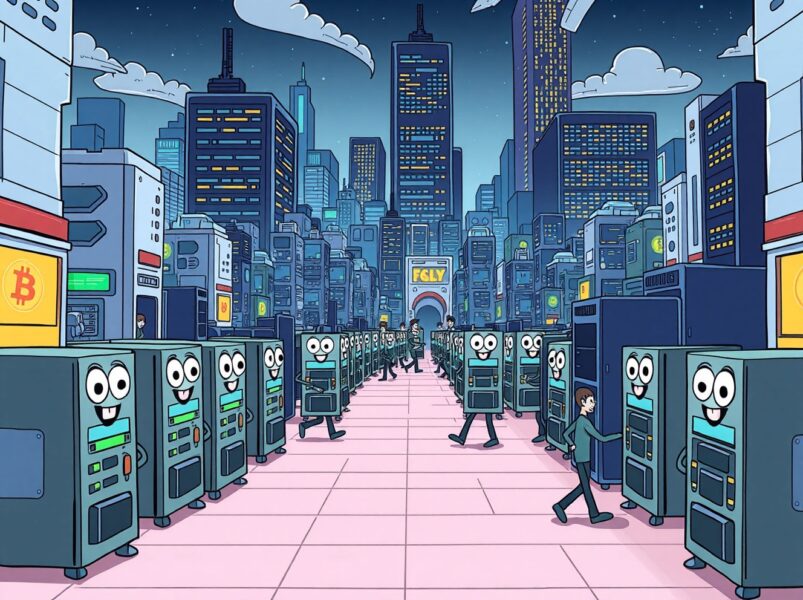
Attention to all Solana investors and blockchain enthusiasts: a significant transformation is occurring within the network”s infrastructure. Recent findings reported by Criptonoticias reveal that the number of active validators on the Solana blockchain has plummeted by over 68% since March 2023. This staggering decline, dropping from approximately 2,500 to around 800 validators, poses critical questions regarding the network”s health, security, and future viability.
Understanding the implications of this validator count reduction is essential. Validators play a crucial role in proof-of-stake networks like Solana, handling transaction processing and ensuring blockchain security. They stake their own SOL tokens as collateral to participate in the network. A high and diverse validator count is generally viewed as indicative of a resilient, decentralized, and secure network. Consequently, such a sharp decline raises immediate concerns.
This is not merely a minor statistical fluctuation. The loss of over two-thirds of the network”s validator population within a single year demands attention to the factors driving this trend and the potential consequences that may arise.
Several factors likely contributed to this sharp decline in validators:
- Economic Pressures: Operating a validator node necessitates significant technical resources and a considerable financial investment in hardware and staked SOL. If the rewards fail to outweigh the operational costs, particularly during bear markets or periods of low transaction fees, smaller operators may find it unsustainable to continue.
- Technical and Infrastructure Challenges: The high-performance demands of Solana can render running a validator node resource-intensive. The hardware requirements and the technical expertise needed may deter many potential validators.
- Network Consolidation: Some of the decline may reflect a natural consolidation process, where smaller validators opt to delegate their stakes to larger, more established operations. This shift does not necessarily reduce the total amount of SOL being staked but does centralize the validator landscape.
- Evolving Incentive Structures: Changes in the reward mechanisms of the network or the rise of more lucrative opportunities elsewhere in the cryptocurrency space could have influenced validators to redirect their resources.
The critical question that emerges is whether a lower validator count signifies a crisis or represents an evolution. While the instinctive reaction may be to view the declining numbers as a warning sign for decentralization, the situation is more nuanced. The security of a network is not solely dependent on the quantity of validators.
A smaller, yet dedicated and reliable group of validators could potentially offer greater efficiency and stability compared to a larger, less coordinated group of under-resourced participants. Important metrics to monitor alongside the validator count include:
- The total amount of SOL staked.
- The geographical distribution of the remaining validators.
- The network”s uptime and transaction success rate.
If the remaining 800 validators are well-distributed and maintain a substantial total stake, the security of the network may remain intact. However, the trend towards a reduced validator count warrants careful observation by both the community and the developers.
Looking ahead, the Solana foundation and its core developers are likely aware of this downward trend. The path forward may involve a series of strategies aimed at rebalancing the ecosystem. Potential initiatives could encompass revising incentive structures to better support smaller validators, streamlining the technical requirements for node operation, and launching educational programs to lower the knowledge barrier for new validators.
In conclusion, the dramatic 68% drop in the Solana validator count is more than just a number; it reflects deeper economic and technical challenges faced by high-performance blockchains. While this situation does not indicate immediate peril, it serves as an urgent reminder of the need for a diverse and sustainable validator pool. The upcoming months will be pivotal as the community and developers address the root causes of this decline to fortify the network”s foundation for the future.
For those curious about how this may affect the average SOL holder or user: in the short term, users are unlikely to experience noticeable changes in speed or transaction costs. However, a highly centralized validator ecosystem could pose governance and censorship risks over the long term.