




































The Ethereum staking landscape has recently undergone a significant transformation, with the entry queue climbing to an impressive $5.5 billion. This surge indicates that new validators will now encounter an estimated waiting time of approximately 30 days before their staking activities commence. As of now, the Ethereum exit queue has notably dropped to zero, allowing any validators wishing to unstake their assets to do so without delay.
Currently, the Ethereum staking entry queue is composed of 1.759 million ETH, reflecting a historic high not seen since late August 2023. This influx of new staking activity suggests a robust interest among investors, particularly among large holders like BitMine, which has recently contributed an additional 118,944 ETH to its staking reserves. This move follows a substantial investment from JPMorgan, which allocated $102 million to BitMine. The company”s actions underscore a strategic accumulation plan aimed at maximizing yield in the current market.
The clearing of the exit queue indicates that there is minimal sell pressure from validators looking to withdraw their ETH. This trend is a strong indicator that many investors are choosing to maintain or increase their exposure to Ethereum, potentially providing a solid foundation for price stability amidst market fluctuations.
Despite these positive developments in staking, the price of ETH has experienced a slight decline of 0.08% over the past day, currently sitting at $3,092.61, according to data from MarketCap. Over the past week and month, ETH has dropped 0.02% and 3.27%, respectively. However, the overall sentiment within the Ethereum community remains bullish, as many analysts view the current staking dynamics as a positive sign for long-term growth.
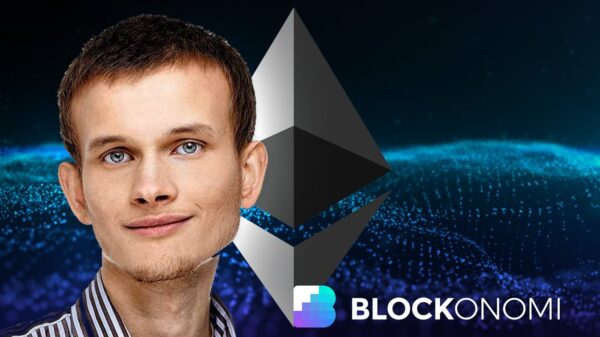
In addition to these staking developments, co-founder Vitalik Buterin recently made headlines with a key announcement regarding the implementation of zkEVM and PeerDAS on the Ethereum mainnet. Buterin emphasized that these advancements are essential for achieving greater scalability, security, and decentralization within the Ethereum ecosystem. His insights reflect ongoing efforts to enhance the network”s capabilities while addressing the challenges posed by recent outages affecting Ethereum-based decentralized applications.
As the Ethereum staking ecosystem continues to evolve, stakeholders will be closely monitoring these dynamics, particularly as they relate to the broader market trends and the overall health of the Ethereum network.