









































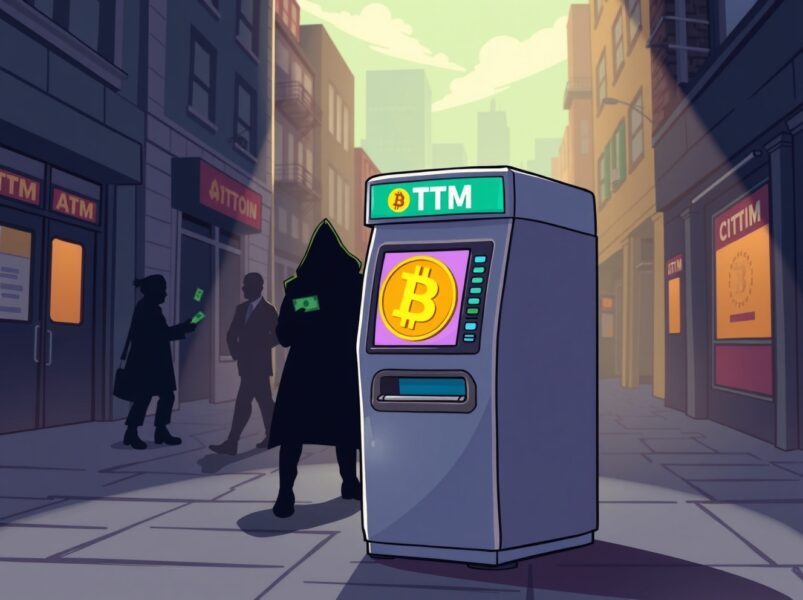
In a shocking turn of events that has sent ripples through the cryptocurrency landscape, federal prosecutors have charged Firas Isa, the founder of Virtual Assets LLC, with orchestrating a substantial money laundering operation utilizing Bitcoin ATMs. Based in Chicago, this case reveals how these digital currency machines were allegedly exploited to launder millions of dollars in illegal funds, raising critical concerns regarding regulatory oversight in the burgeoning crypto ATM industry.
The indictment, filed by federal authorities, claims that Isa”s operation processed at least $10 million in illicit proceeds through a network of Bitcoin ATMs spread across several states. This marks one of the largest money laundering prosecutions tied to cryptocurrency in recent years and underscores the increasing scrutiny that Bitcoin ATM operations are facing from regulators nationwide.
Bitcoin ATMs are designed to facilitate quick exchanges of cash for cryptocurrency. However, they can also be misused in various ways for money laundering, including:
- Structured transactions: Breaking down large sums into smaller deposits to evade reporting requirements.
- False identification: Using fake or stolen identities to create accounts.
- Geographic dispersion: Utilizing multiple machines across different locations to obscure transaction trails.
- Rapid conversion: Quickly converting illicit cash into difficult-to-trace cryptocurrencies.
According to the indictment, Isa”s scheme allegedly employed all these tactics to create a convoluted network of transactions that effectively masked the criminal origins of the funds. This case serves as a stark reminder of how vulnerable Bitcoin ATMs can be in the absence of robust controls.
Isa has pleaded not guilty to the charges, setting the stage for what could be a landmark trial. The court has scheduled a hearing for January 2026, providing ample time for both sides to prepare their arguments. If convicted, Isa faces severe consequences, including lengthy prison sentences under federal money laundering laws, significant fines, and asset forfeiture. Additionally, he risks permanent disqualification from operating in the financial services sector.
The case is particularly timely as regulators are ramping up pressure on cryptocurrency businesses to establish comprehensive anti-money laundering protocols. The outcome of this case could set critical precedents regarding the regulation of crypto ATM operators.
To mitigate the risk of future money laundering through Bitcoin ATMs, the industry must adopt several key measures:
- Enhanced KYC verification: Implementing stringent customer identification processes.
- Transaction monitoring: Utilizing analytics and AI to identify suspicious patterns.
- Regulatory compliance: Adhering to all guidelines set forth by FinCEN and state regulators.
- Industry cooperation: Sharing intelligence regarding potential money laundering threats.
While many legitimate Bitcoin ATM operators are already incorporating these practices, the ongoing challenges highlighted by this case emphasize the urgent need for standardized measures across the industry. As cryptocurrencies gain traction in mainstream finance, ensuring the integrity of Bitcoin ATMs is vital for maintaining public trust and securing regulatory legitimacy.
This significant case is likely to expedite regulatory initiatives throughout the cryptocurrency sector. Lawmakers and financial authorities are closely monitoring the situation as they work toward developing comprehensive frameworks for digital asset regulation. The implications of this could include:
- New legislative measures targeting cryptocurrency ATM operations.
- Tighter reporting obligations for cryptocurrency transactions.
- Increased enforcement actions against non-compliant operators.
- Stronger collaborations between crypto businesses and law enforcement agencies.
While this case primarily revolves around alleged criminal activities, it also underscores the ongoing tension between innovation and regulation in the fast-paced world of cryptocurrency. The charges against Firas Isa and Virtual Assets LLC could mark a pivotal moment in how the industry navigates the balance between accessibility and security.
Frequently Asked Questions
What is Bitcoin ATM money laundering? It refers to the use of Bitcoin ATMs to convert illegally obtained cash into digital currency, effectively obscuring the origins of the money.
How serious are the charges against Firas Isa? The charges are grave, with federal money laundering offenses carrying potential decades-long prison sentences and substantial fines.
When will the case go to trial? The next court date is set for January 30, 2026, although this could change as the proceedings advance.
Are all Bitcoin ATMs used for money laundering? No, the majority operate legally and serve legitimate customers, but they can be taken advantage of by criminals if proper safeguards are lacking.
What should I look for in a reputable Bitcoin ATM operator? Seek operators that enforce ID verification, provide transparent fees, display compliance information, and offer customer support.
How can I report suspicious Bitcoin ATM activity? You can reach out to the Financial Crimes Enforcement Network (FinCEN) or local law enforcement agencies.
This case highlights significant vulnerabilities in the financial ecosystem, and raising awareness about cryptocurrency regulation is essential for understanding the risks associated with Bitcoin ATM money laundering.
To stay updated on the latest trends in Bitcoin regulation, consider exploring our article on key developments shaping compliance and institutional adoption.